Jury Session in October: What Defines Design Excellence Today?
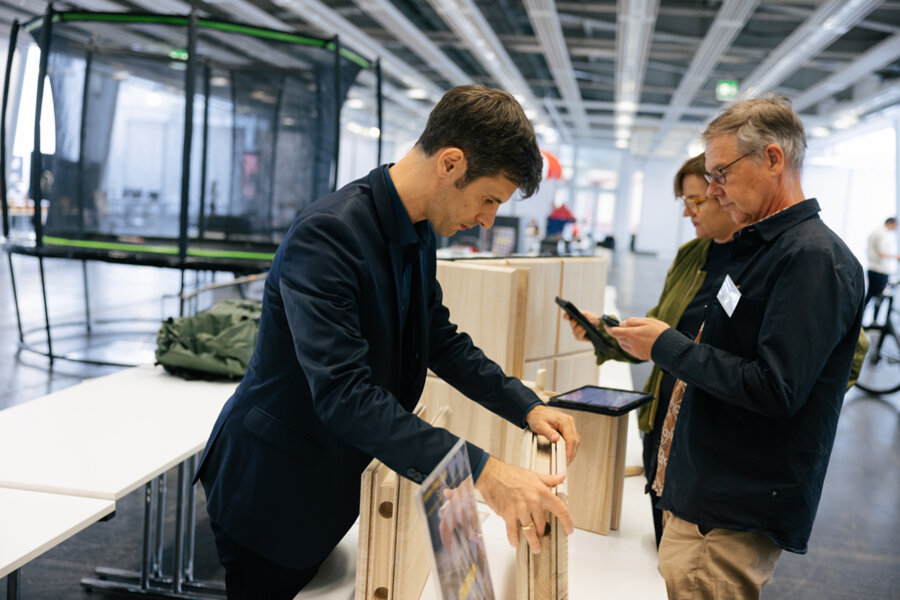
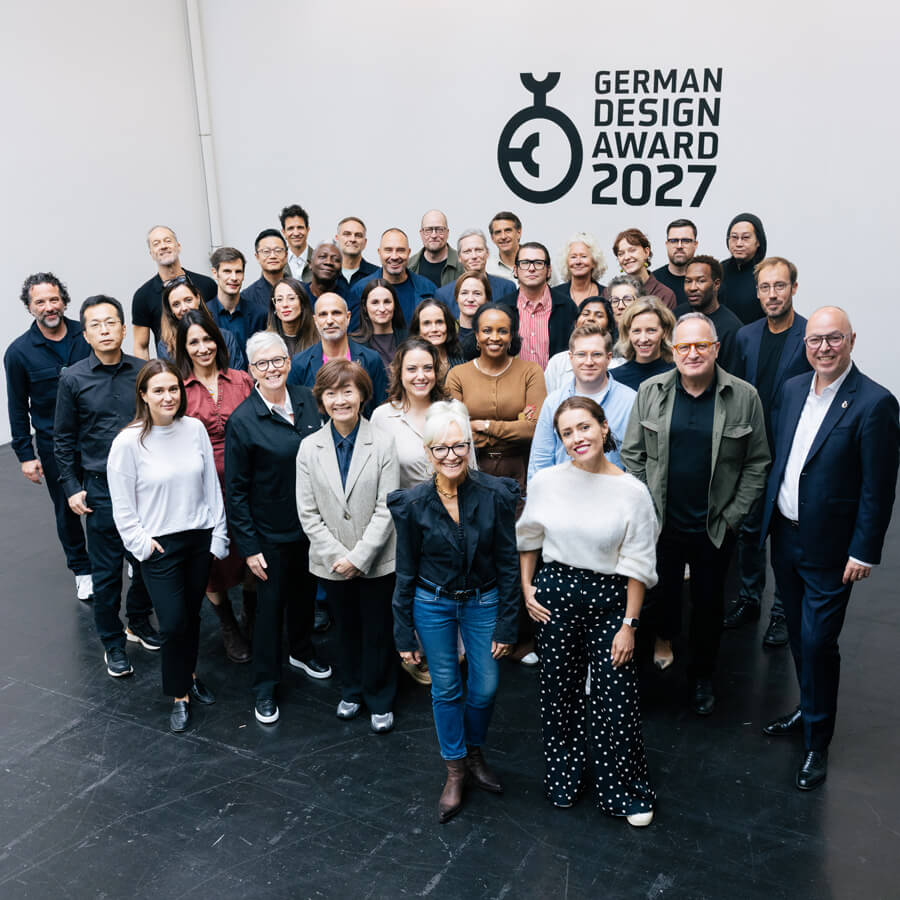
What distinguishes good design from an outstanding design achievement? At the German Design Awards 2027 jury session in Offenbach in early October, 43 experts from 15 countries explored this question. Their task: to identify projects across 68 categories that demonstrate conceptual strength, exceptional design quality and meaningful impact – and to recognise the most outstanding achievements with Gold.
International participation reveals notable shifts. While Germany and China remain among the leading countries for submissions, Türkiye and Singapore are gaining prominence. Türkiye recorded a significant increase compared with the previous year, while Singapore more than doubled its participation. Italy also saw growth. These developments highlight the growing presence of different design centres within the international competition.
With around 1,600 entries, Excellent Product Design is the largest discipline, followed by Excellent Architecture and Excellent Communications Design.
Excellence Begins with a Clear Point of View
The demands placed on design are changing. Artificial intelligence is accelerating creative processes, while societal and environmental challenges call for new solutions. Yet visually compelling results alone do not guarantee quality.
Makiko Tsumura, President of the World Design Organization and Director of the Japan Institute of Design, sees a shift from design as a discipline of making to one of decision-making. Judgement, intention and responsibility are becoming increasingly important. Andreas Diefenbach, Managing Partner at Phoenix Design, similarly places conceptual clarity at the heart of excellence:
“For me, an entry stands out not because it is the loudest, but because it is the clearest.”
The diversity of submissions reflects this understanding. While established fields such as public architecture and brand identity remain strongly represented, categories addressing artificial intelligence, service design and circular design demonstrate how far the scope of design has expanded.
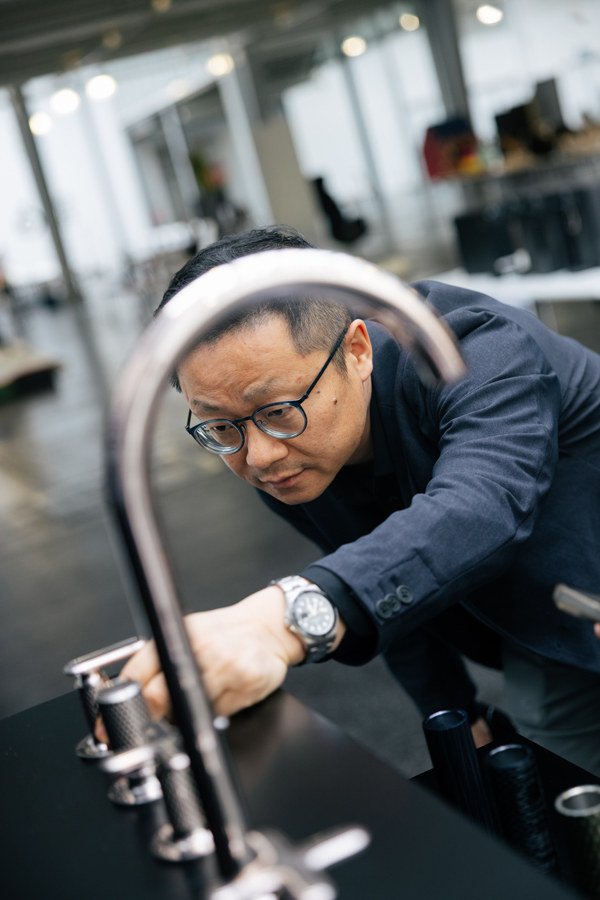
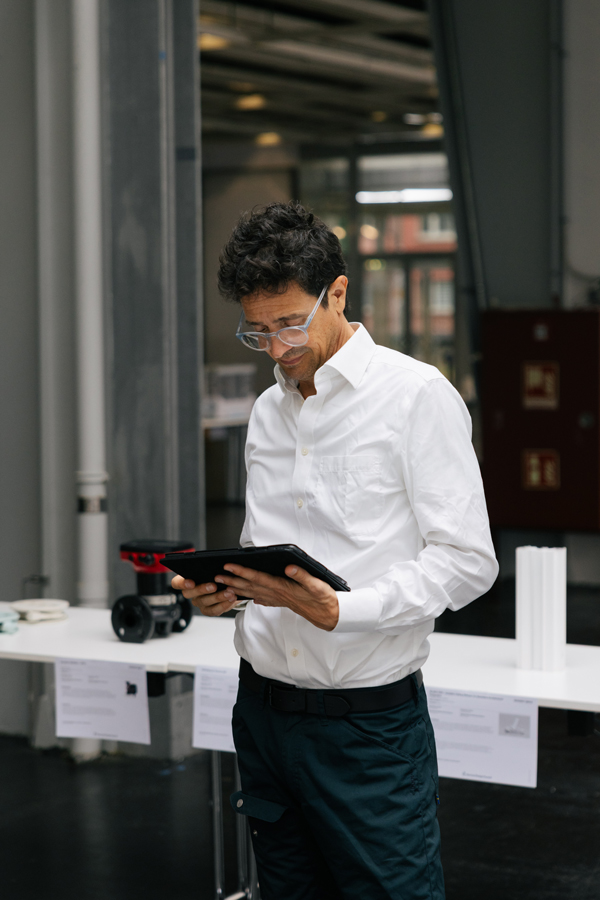

The Value of Design Lies in Its Impact
Design is increasingly understood as a strategic discipline. Marco Kisch, Senior Product & Service Designer at ING Deutschland, describes it as a competitive advantage that connects human needs, technological possibilities and business objectives.
Sayali Bharambe, Design Lead Engagement at Deutsche Telekom, emphasises the often invisible qualities of design: accessibility, clarity, trust and long-term usability. Julia Pültz, Global Marketing Manager at Vestre, focuses on materials, durability and performance in everyday use. Evan Jerry, Founder of Studio Anansi, adds the emotional dimension of objects that accompany people over the years.
Responsibility Must Be Demonstrable
Sustainability makes particularly clear just how rigorous design evaluation needs to be. Dr Manuel Bickel, Co-Head of the Product and Consumer Systems research area at the Wuppertal Institute for Climate, Environment and Energy, cautions against reducing circular design to recyclability alone. Genuine resource conservation requires systemic thinking – including questioning how consumption can be avoided in the first place.
For William Wu, Vice President Design at Haier Group, excellent design must also reconcile user value, business value and environmental responsibility. Innovation is therefore not an end in itself, but must be measured by its actual impact.
Different Perspectives. An Informed Judgement.
The jury's international and interdisciplinary composition is essential to this evaluation. Architecture, product design and communication design bring different criteria to the table, while diverse cultural experiences offer additional perspectives.
The jury's task is not to establish a shared aesthetic preference. It is to critically examine quality, weigh arguments and identify work that sets new standards within its discipline. It is precisely this diversity of perspectives that enables an informed judgement about what design excellence means today.
Since 2012, the German Design Awards have recognised outstanding achievements in design. With Gold, they honour projects that stand out for their originality, rigour and relevance.
The winners of the German Design Awards 2027 will be celebrated in Frankfurt am Main on 29 January 2027.
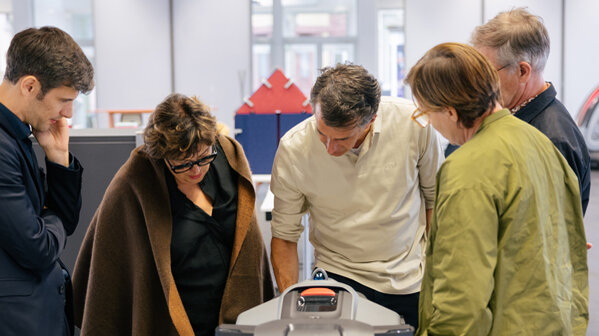
The connection between design and responsibility becomes particularly evident in circular design
Across all three disciplines, 257 entries fall within this field, including 171 in product design. For Dr Manuel Bickel of the Wuppertal Institute, recyclability alone is not enough. Resource conservation requires systemic thinking – including questioning how consumption can be avoided in the first place. William Wu, Vice President Design at Haier Group, likewise emphasises the need to balance user value, business value and environmental responsibility.
Different Perspectives. An Informed Judgement.
Evaluating the submissions over two days requires an intensive examination of different design approaches. Architecture, product design and communication design bring different understandings of quality. Questions of originality, functionality, sustainability and social relevance demand careful consideration and discussion.
The international jury's task is not to arrive at a shared aesthetic preference, but to critically assess quality, weigh different arguments and recognise exceptional achievements. The diversity of cultural and disciplinary perspectives is essential to this process.
Since 2012, the German Design Awards have recognised outstanding achievements in design. With 53 projects receiving Gold this year, the competition once again honours exceptional work that sets new standards through originality, rigour and relevance.
The winners of the German Design Awards 2027 will be celebrated in Frankfurt am Main on 29 January 2027.