Monika Göbel: The Future of Architecture Is Built into the Material
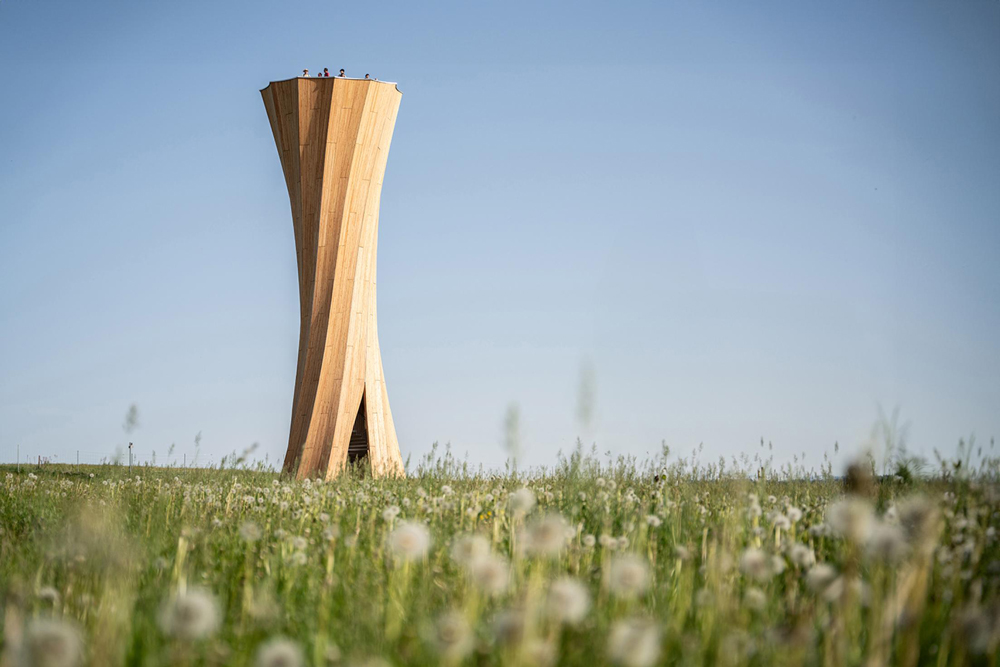
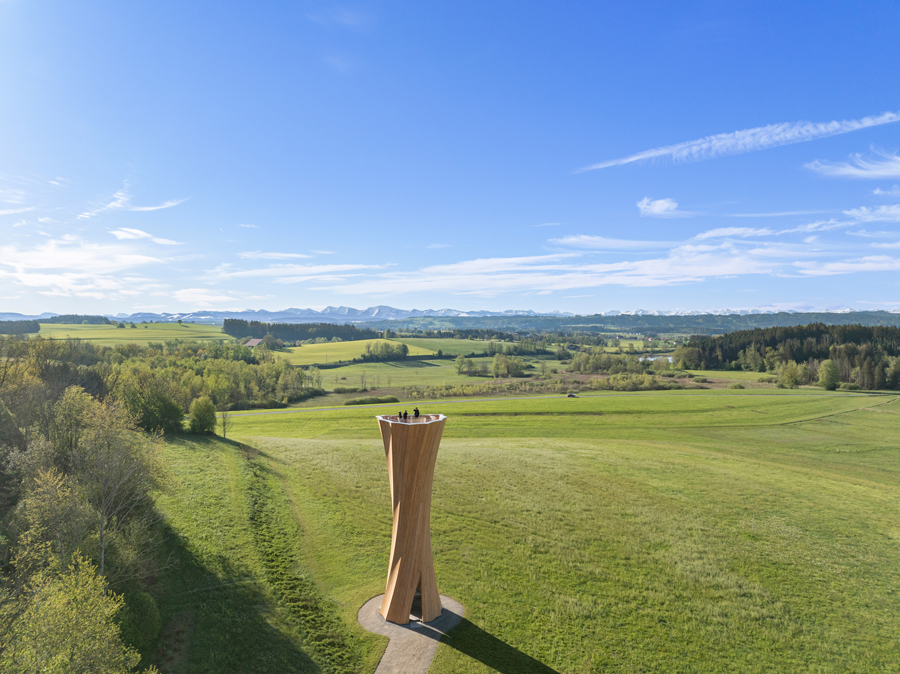
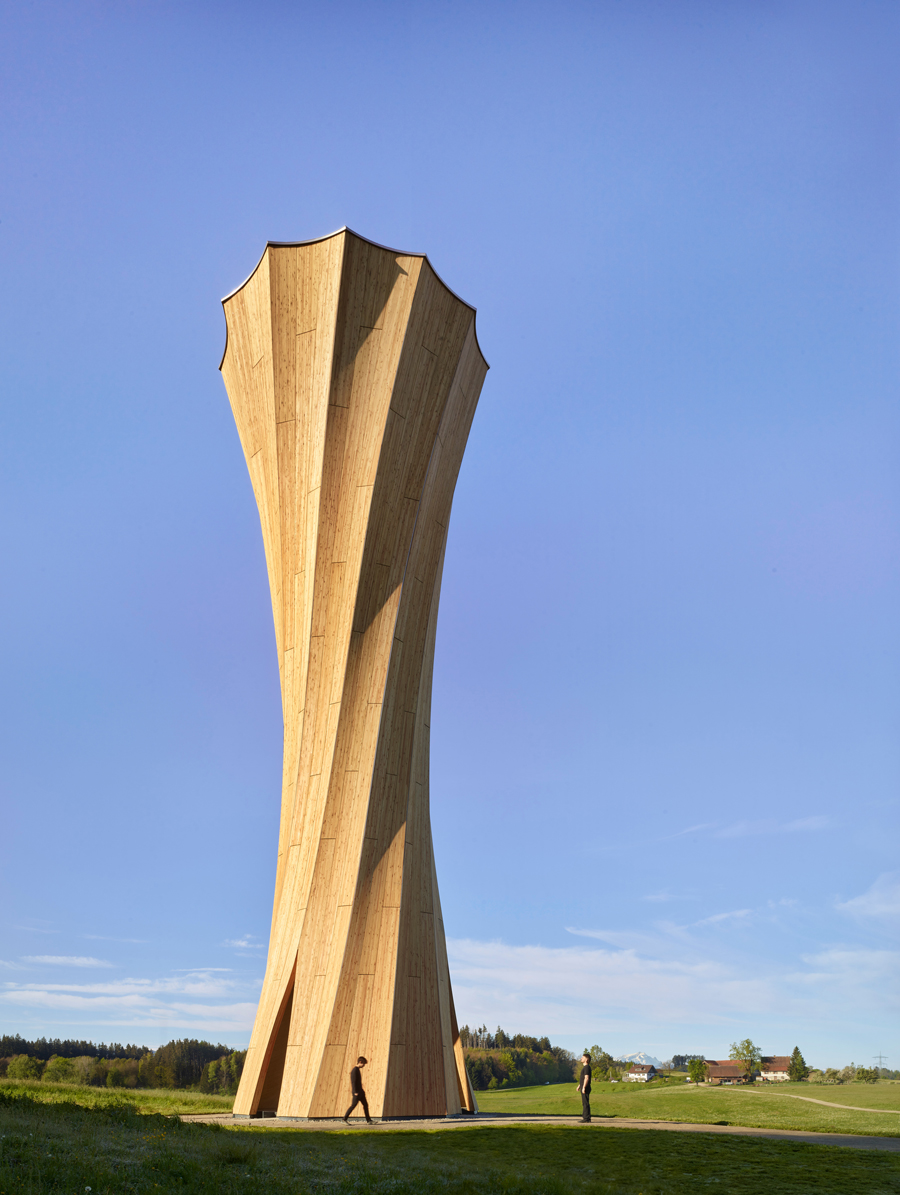
A design nudge in architecture is a design principle that guides architects towards resource-efficient decisions through material logic and construction. In the Wangen Tower, form does not fight the material. It emerges from its properties.
Demand for housing and infrastructure is growing worldwide. At the same time, the construction industry remains one of the largest contributors to CO₂ emissions and resource consumption. For Monika Göbel (architect, University of Stuttgart), simply making existing building methods more efficient is not enough. Architecture needs to be fundamentally rethought.
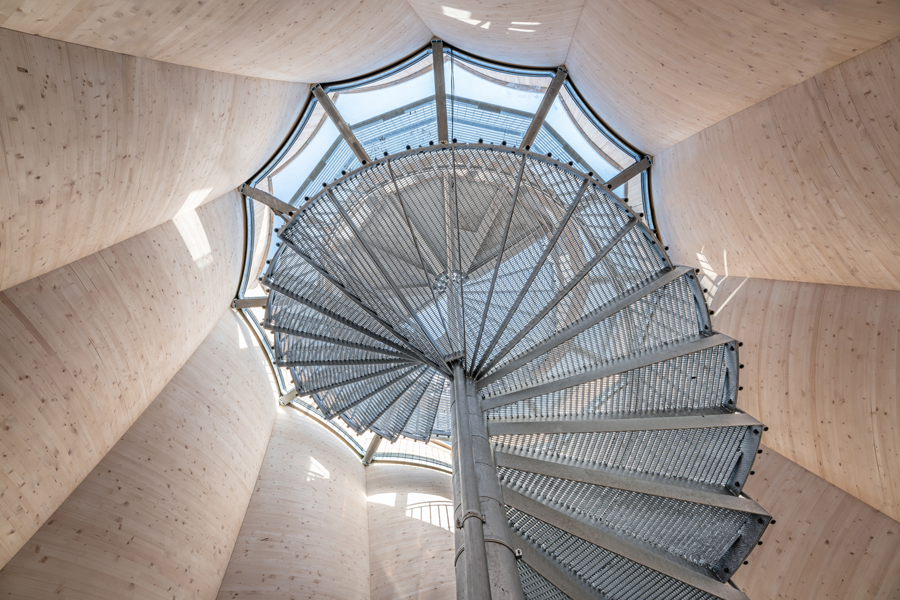
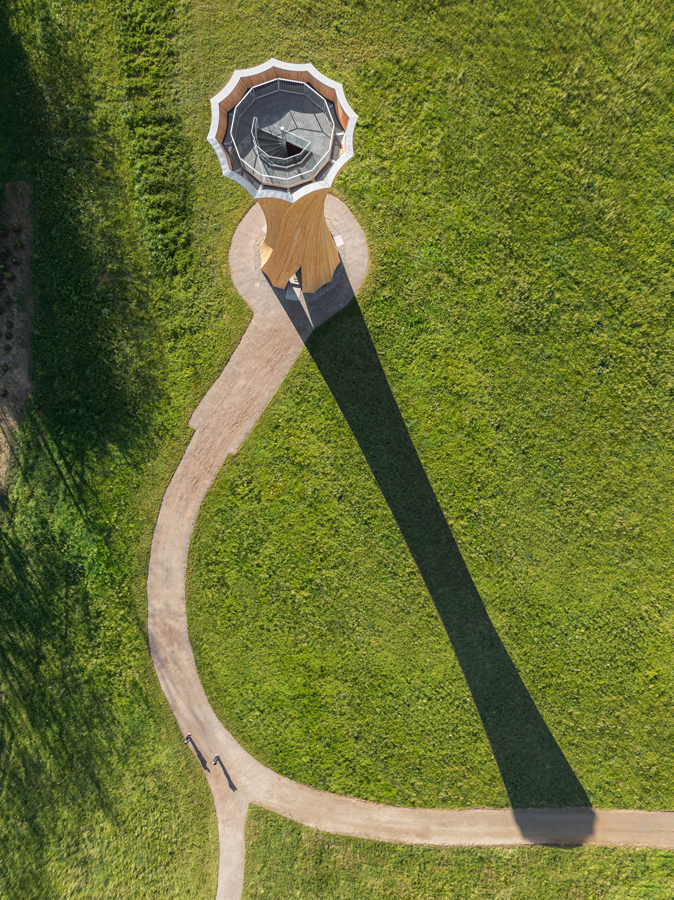
That is exactly what the Wangen Tower represents. The research project by the Institute for Computational Design and the Institute of Building Structures and Structural Design at the University of Stuttgart was developed as part of the Integrative Computational Design and Construction for Architecture Cluster of Excellence.
The tower demonstrates how digital design processes, robotic fabrication and bio-based materials work together to create higher-performance structures while using fewer resources. Its construction does not follow conventional structural logic. Shape and structure emerge from the properties of the material itself.
Three-dimensionally curved timber elements carry loads with remarkable efficiency. The tower was fabricated and assembled with almost no scaffolding. This reduces material use, energy consumption and construction effort.
"Experimental architecture is essential because it allows us to test new materials and construction methods under real conditions. For us, innovation does not mean using less material. It means using materials intelligently and according to their structural capabilities," explains Monika Göbel (Architect, University of Stuttgart).
"For us, innovation does not mean using less material. It means using materials intelligently and according to their structural capabilities."
Materials Actively Shape the Design
The Wangen Tower signals a shift in perspective. Materials are no longer treated as passive building components. They actively shape the design.
For Göbel, research does not end when a building is completed: "Objects are not static. They should be a shell for people and the ways they use them." Bio-based materials often reveal their full potential only through long-term use.
Monitoring, long-term observation and digital models continuously generate new insights into how materials actually perform. "Sometimes the material system tells us it is capable of much more than we originally expected."
Three elements make this learning process tangible:
- Monitoring provides data from real use.
- Digital models make behaviour comparable.
- New knowledge feeds into the next design.
Digital Tools Need Architectural Thinking
As tools become more powerful, architectural fundamentals matter more, not less. Göbel explains; "Many people today no longer have a strong foundation in understanding how spaces work and how people experience them." At the ICD, many solutions are rooted in architectural principles. How can a building be cooled naturally? How can airflow be used? Which spatial concepts improve a building's climate without relying on technical systems?
Responsibility still lies with architects. "As architects, we still have to define what we want a building to achieve for people, for the environment and for the planet." Digital tools support the design process. They do not replace it.
"Sometimes the material system tells us it is capable of much more than we originally expected."
The Courage to Apply What We Already Know
Many answers have been known for decades. Bio-based materials, circular construction, greater biodiversity and new housing concepts are no longer future visions.
Yet cities continue to produce the same types of buildings. "I see more and more valuable sites in our cities being developed in the same way." The challenge is not only new technology. It is the courage to apply the knowledge we already have.
"We have actually known this for the past forty years. We urgently need to bring more bio-based materials and reclaimed timber into construction."
The Wangen Tower makes this visible. It connects research and practice, digital technologies and natural materials, experimental construction and real-world application. It shows that sustainable innovation is not about doing less. It is about gaining a better understanding of materials, construction and architecture.
How Is Research Changing Your Design Process?
How Is Research Changing Your Design Process? The German Design Awards recognise projects that position design as a driver of innovation. The Wangen Tower shows how digital design, material research and architecture can come together to develop new answers to the challenges of construction.
If your project offers new answers to the challenges of our time, now is the moment: register for the German Design Awards 2027, present your work to an international jury, and become part of a global network of design excellence.