Immanuel Koh: AI Doesn't Need to Understand Architecture
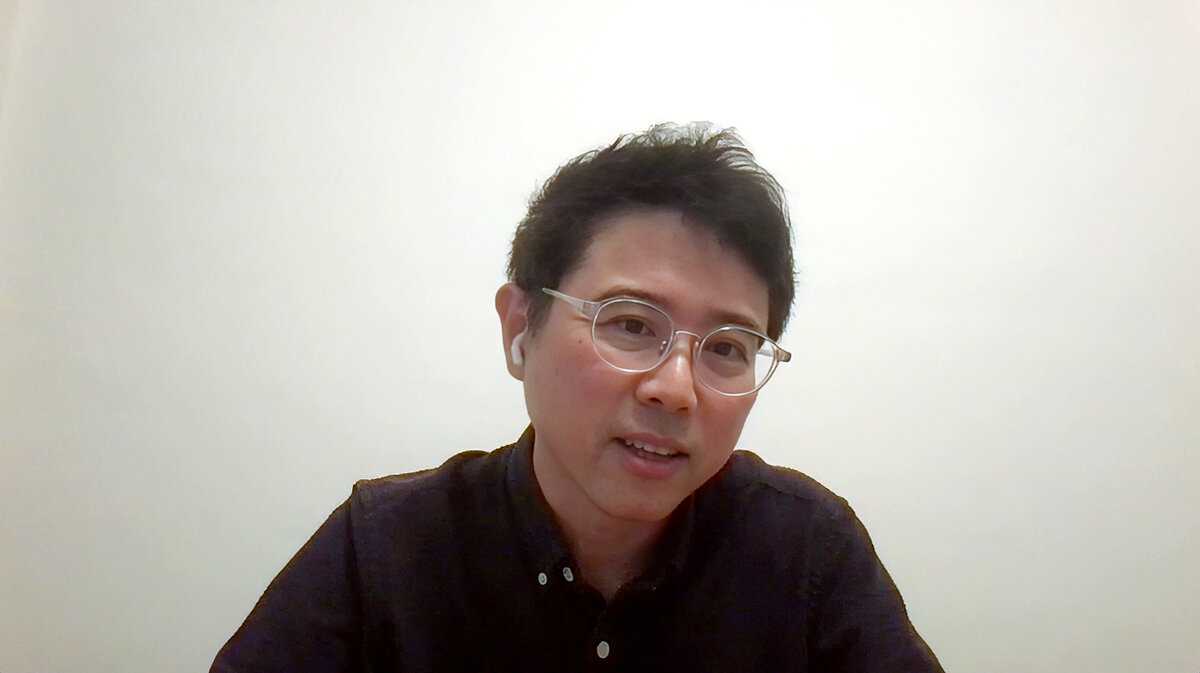
A design nudge in architecture is a tool or process that guides architects towards new design possibilities without replacing the creative act. When it comes to artificial intelligence, that means: Artificial Intelligence (AI) does not need to experience architecture or interpret it like a human. It can still create tools that expand the creative process.
Long before generative AI became a global topic, Immanuel Koh was exploring exactly this question. During his PhD, at the intersection of architecture and computer science, he developed Architectural Sampling, a research project investigating how artificial intelligence can learn the underlying principles of architecture.
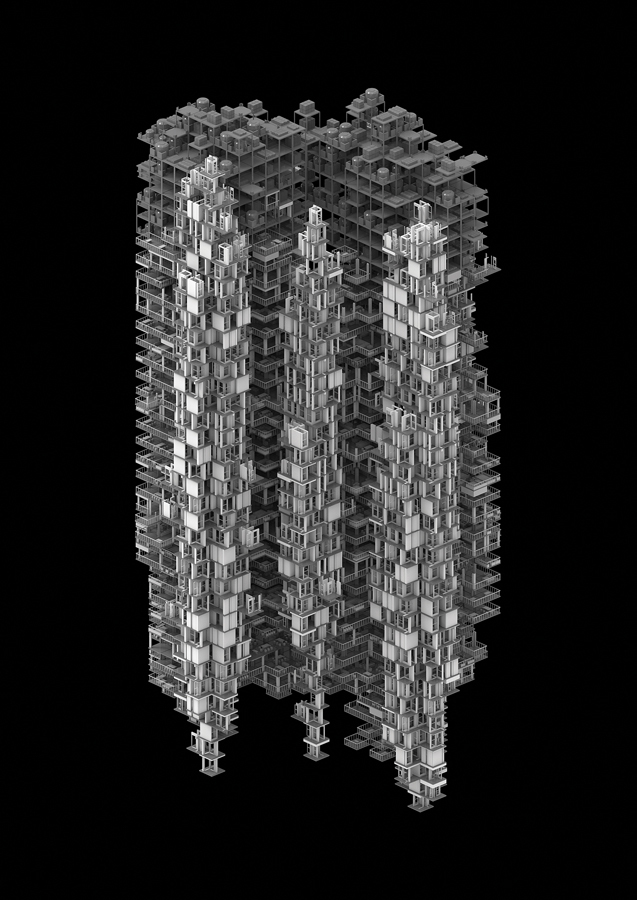
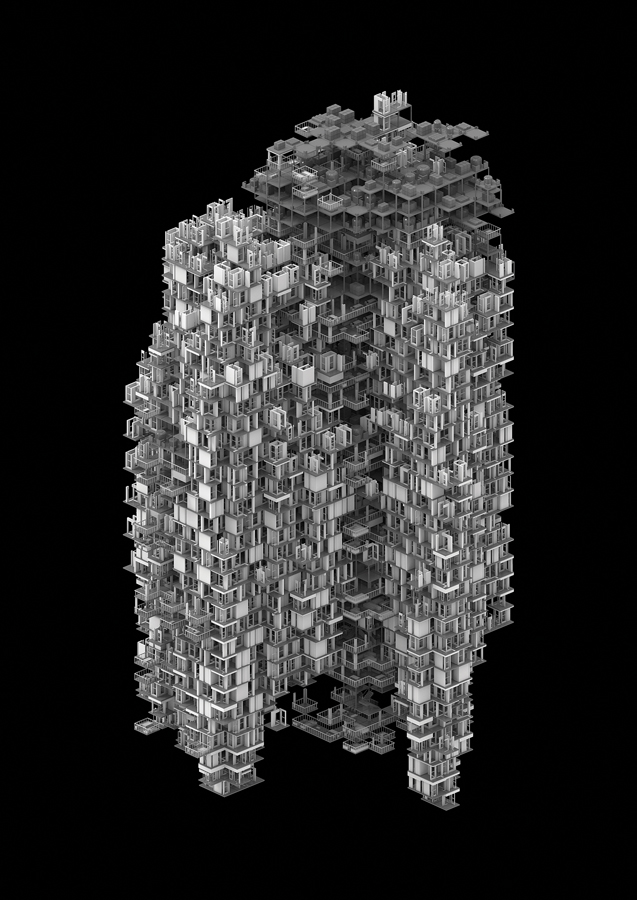
The project is built on a custom AI model trained on thousands of Singaporean high-rise buildings. Rather than replicating existing architecture, the goal was to identify spatial patterns and architectural relationships, allowing the system to generate entirely new typologies and design possibilities. Architecture is not treated as a collection of individual buildings, but as a system whose spatial logic can become machine learnable.
This research-driven approach is precisely what impressed the jury of the German Design Awards. They recognised AI Sampling Singapore as a project that uses artificial intelligence not as an end in itself, but as a way to open up new perspectives on architectural design.
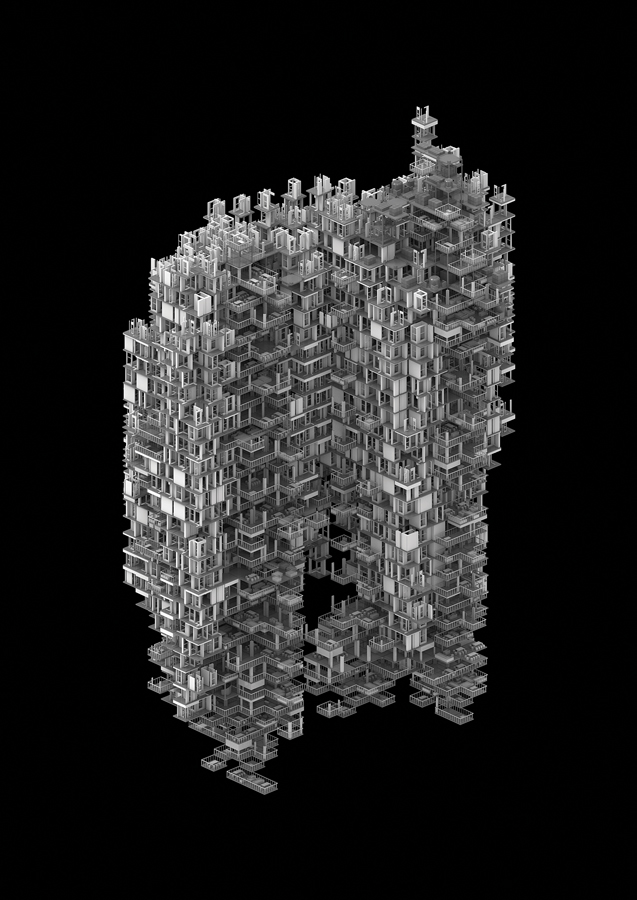
AI Doesn't Need to Understand Architecture
The question begins with a false assumption. Koh says: "If we ask whether AI understands architecture, we first need to define what we actually mean by understanding. Are we talking about understanding the design process, or about experiencing architecture the way humans do?"
Architecture is far more than geometry or the physics of space. It is shaped by cultural, social and emotional relationships. That is why the question of whether AI truly "understands" architecture has no straightforward answer.
A far more interesting question is this: "Does AI actually need to understand architecture in order to be useful for architecture? From what we see today, it doesn't understand many things. It simply predicts the next most likely pattern, and that's already enough."
"Does AI actually need to understand architecture in order to be useful for architecture?"
The Real Revolution Is Happening Inside the Design Process
Most conversations around AI focus on speed. Automation, efficiency and productivity dominate the discussion. For Koh, that misses the bigger picture: "AI can do much more than simply make things faster." The real transformation is happening somewhere else. "We no longer have to create a 3D model first and then produce a rendering. We generate the rendering first, and then work backwards towards the model."
What sounds like a technical improvement actually represents a fundamental shift in the way architecture is conceived. For decades, architectural design followed a linear process: idea, model, visualisation. With generative AI, that sequence is increasingly being reversed. Images become the starting point; models follow afterwards. Design becomes less linear and far more iterative.It changes the workflow.
This shift is exactly what AI Sampling Singapore explores. Rather than positioning AI as an automated designer, the project investigates how AI can fundamentally reshape creative workflows.
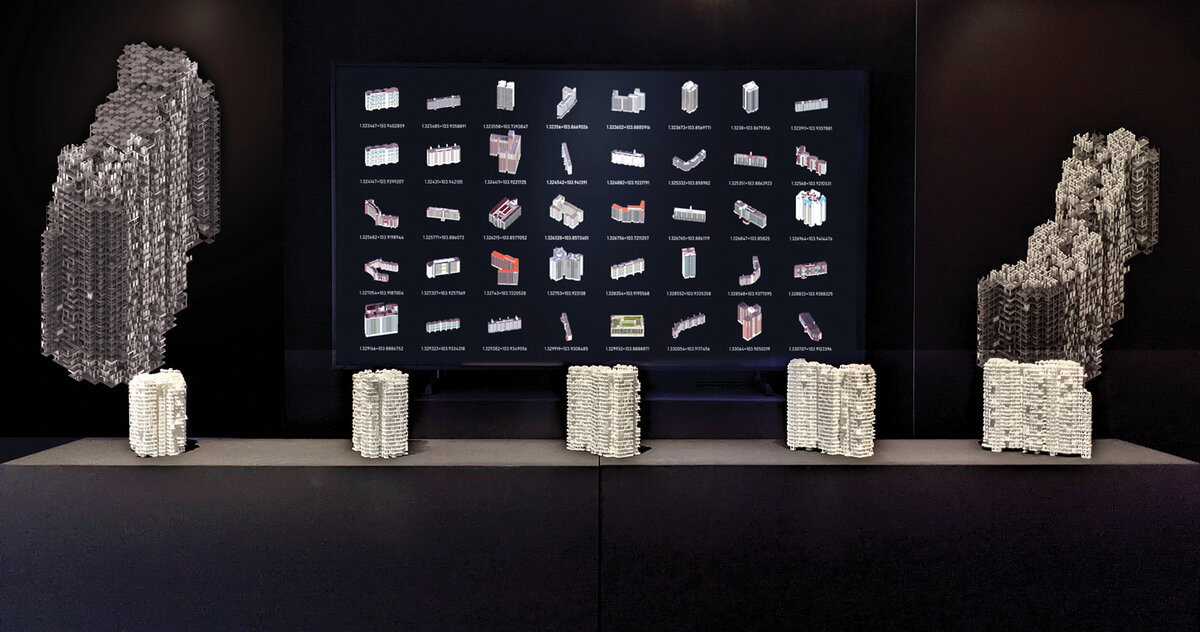
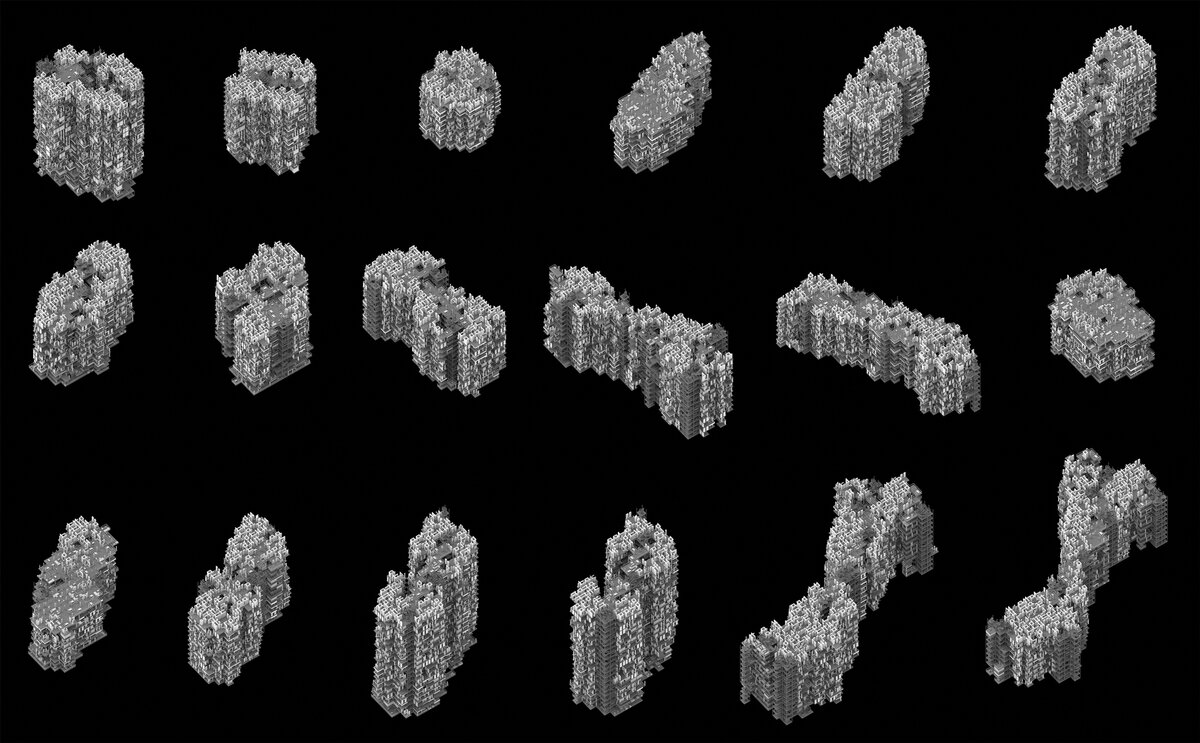
Precision Becomes the Designer's Greatest Skill
As image generation becomes easier, another skill becomes increasingly valuable. "It's easy to generate something with AI. What's much harder is generating exactly what you have in mind."
For Koh, this is where design truly begins. Designers don't simply accept the first output. They negotiate with it. They refine it, retrain models, introduce references and gradually shape the result until it reflects a clear design intention.
"Designers strive for precision." That precision becomes the defining creative skill in the age of generative AI. Quality no longer comes from generating more options, but from knowing how to question, refine and direct them.
"It's easy to generate something with AI. What's much harder is generating exactly what you have in mind."
From Tool to Creative Partner
Another key focus of Koh's research is the customisation of AI. Rather than relying solely on generic foundation models, he sees enormous potential in adapting AI systems with project-specific datasets, references and design principles.
This keeps creative agency firmly in the hands of designers. AI does not develop its own design language. Instead, it enables designers to express their own ideas with greater precision and efficiency. For Koh, this distinction separates meaningful design from generic AI-generated imagery.
"Soon, creative coding will be possible without actually having to write code." At first, that statement sounds provocative. In reality, it describes a much broader transformation. Programming will remain important, but it will increasingly be supported by tools that dramatically lower the technical barriers to computational design.
As a result, creative value shifts once again. Away from mastering individual software platforms and towards defining systems, asking better questions and making stronger design decisions.
How Is Artificial Intelligence Changing Your Design Process?
The German Design Awards celebrate projects that combine technological innovation with design excellence and open up new perspectives for the future of design. AI Sampling Singapore demonstrates that the most exciting conversations around AI do not begin with automation. They begin with rethinking the creative process itself.
If your project offers new answers to the challenges of our time, now is the moment: register for the German Design Awards 2027, present your work to an international jury, and become part of a global network of design excellence.