Alexander Strub: The End Is the New Beginning of Design
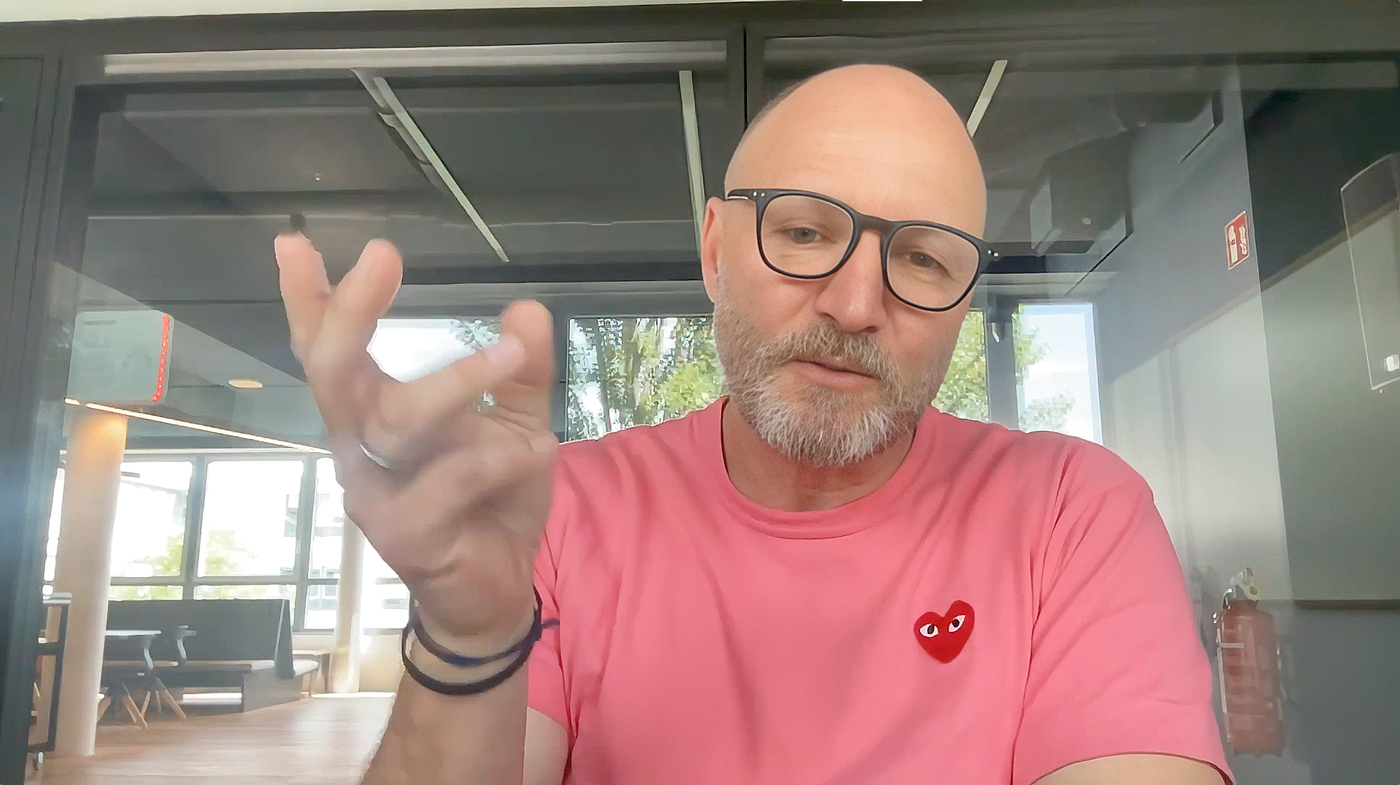
A design nudge in architecture is a design principle that anchors reuse and disassembly early in the process. In Circular Design, that means the end of a building becomes part of its beginning.
With the Circular Design category, the German Design Awards signal a fundamental shift in the way we design and build. The award recognises projects that treat materials as long-term resources and integrate reuse, disassembly and material value into the design process.
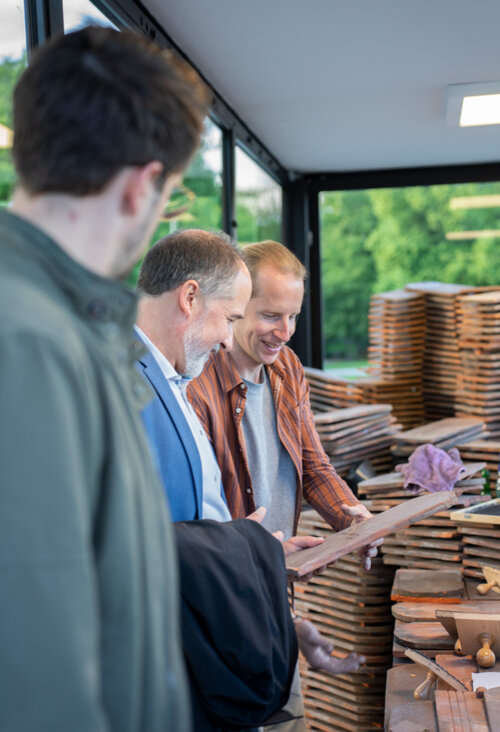
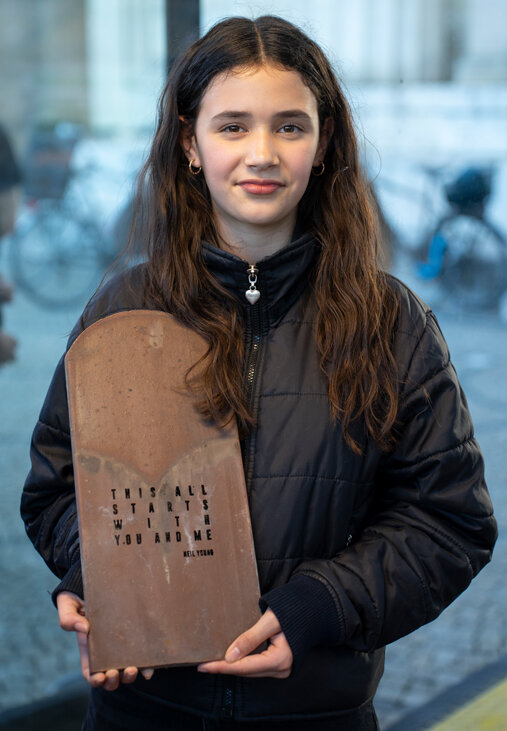
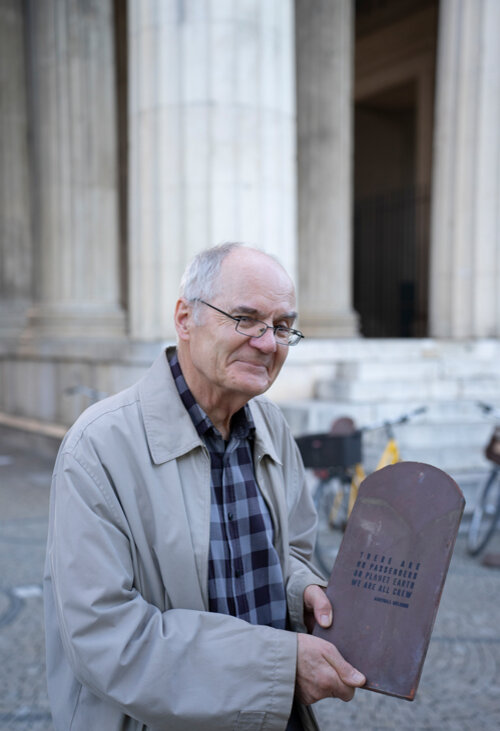
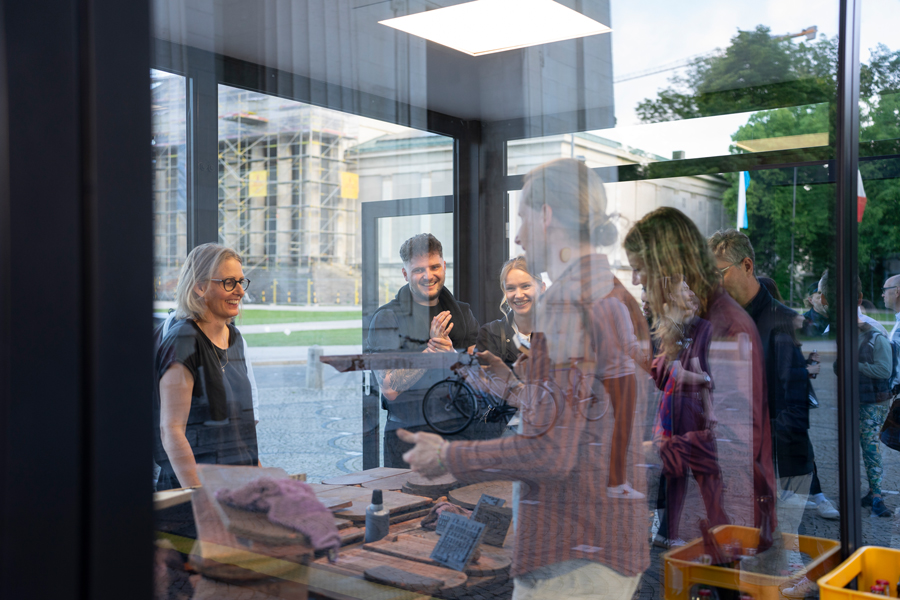
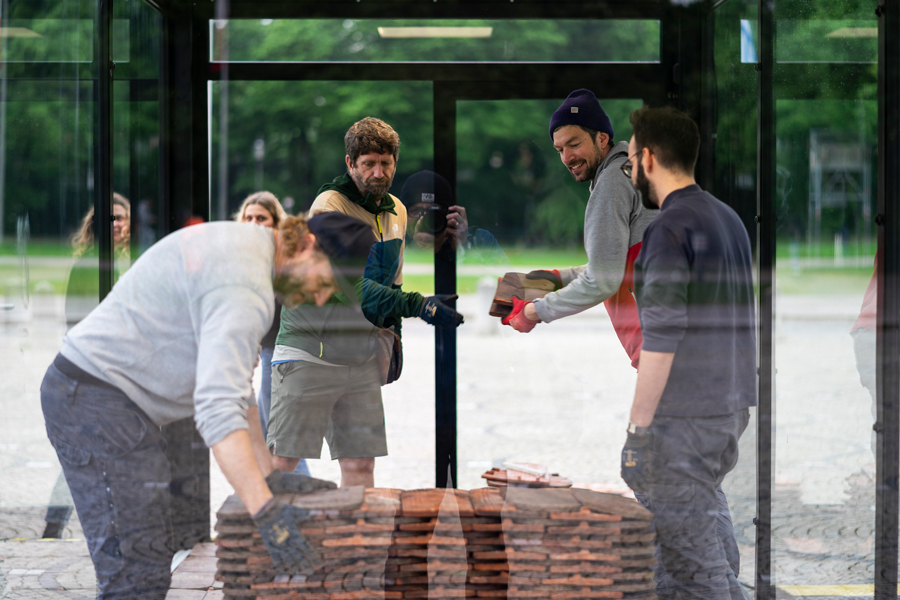
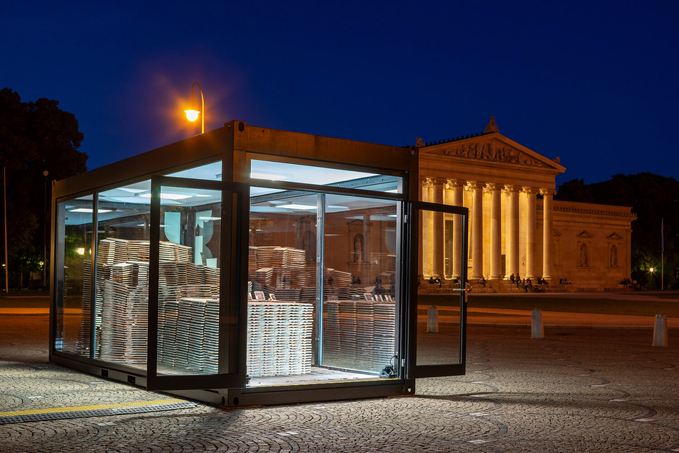
This is exactly the approach behind "Feierabendziegel: From has-been to must-have?" It was developed by Drees & Sommer together with EPEA – Part of Drees & Sommer and Münchner Wohnen. At its centre is an 80-year-old clay roof tile. The installation turns it into a symbol of an architecture that treats existing buildings not as obsolete, but as valuable resources.
"When we start designing and planning, we need to think about the end," says Alexander Strub (Creative Director, Drees & Sommer).
Circular Design Starts Long Before Demolition
The key point is simple: Architecture is not a collection of individual buildings, but a system of reusable components. For decades, architecture followed a linear model. Build, use, demolish.
Strub describes that mindset as no longer fit for purpose. "We need to understand a building as a material depot." That shift changes the entire logic of design. Suddenly, different questions become essential.
- How can components be dismantled later?
- How can materials be separated cleanly?
- How can they remain valuable resources decades from now?
These questions influence not only construction methods and material choices, but the architectural concept itself. The end of a building becomes part of its beginning.
The Construction Industry's Biggest Calculation Error
Circular construction is often seen as more expensive because traditional calculations assign a value of zero to existing materials. "The idea that linear construction is cheaper than circular construction is simply a calculation error."
Feierabendziegel challenges exactly that. The old roof tile is no longer seen as waste, but as a high-quality building material with a second life. "Maybe the raw materials we need are no longer in the quarry; they are already on our rooftops."
For Strub, Circular Design is about more than conserving resources. "Circular construction is not only resource efficient, it also makes economic sense." Designing for future reuse changes the design itself. Materials are combined differently. Connections become reversible.
For him, this is not a limitation, but creative freedom. "A new aesthetic can emerge. And once you understand why that aesthetic exists, it suddenly gains a different kind of quality."
Circular Design changes not only the flow of materials, but our entire understanding of what architecture can be.
"The idea that linear construction is cheaper than circular construction is simply a calculation error."
Great Design Doesn't Need Excuses
Circular Design is not a special case. It is a standard of quality. Strub has a simple message for designers. Challenge familiar ideas. Be willing to experiment. Stay open to unexpected solutions. And: "Allow yourself to try something new."
Circular Design does not limit creativity. It challenges designers to rethink architecture in ways that are environmentally responsible, economically viable and creatively ambitious at the same time.
How Is Circular Design Changing Your Design Process?
With the Circular Design category, the German Design Awards makes it clear that sustainable design goes far beyond energy efficiency or recycling. It celebrates projects that treat materials as long-term resources and consider the entire life cycle of a building from the outset.
If your project offers new answers to the challenges of our time, now is the moment: register for the German Design Awards 2027, present your work to an international jury, and become part of a global network of design excellence.