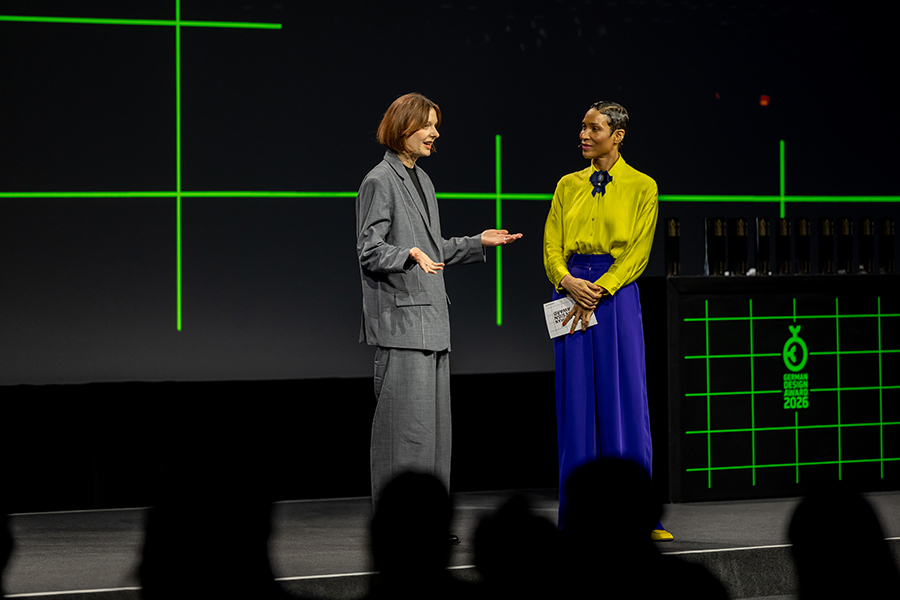
Highlights of the Award Show
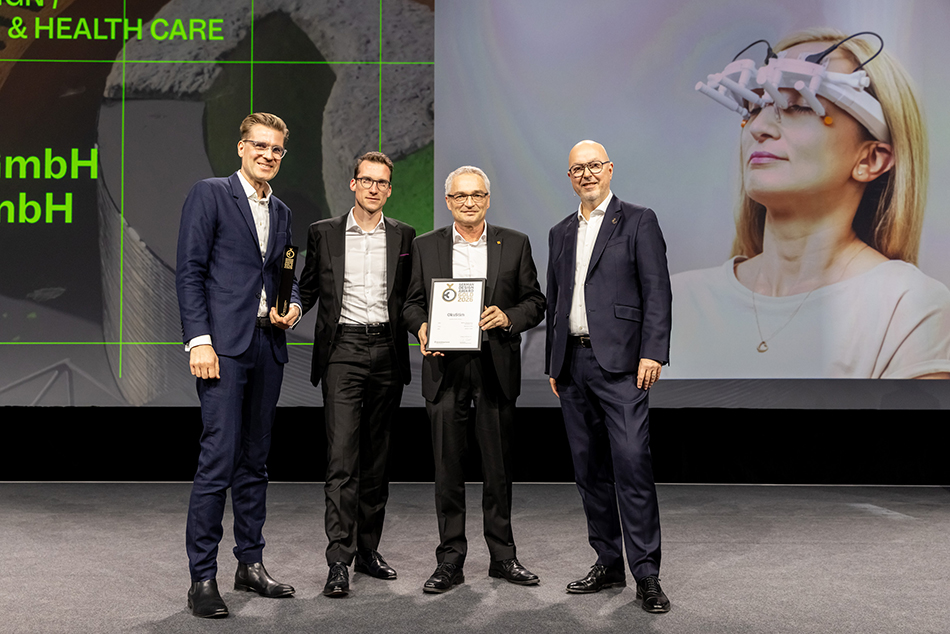
Submissions from 57 countries show that form remains relevant, but it is no longer sufficient.
What matters is how products, spaces and communication systems function. Performance, responsibility and system logic have become central criteria. Lutz Dietzold, CEO of the German Design Council (awarding authority), articulates this shift precisely. Design today addresses complex systems. It operates across entire value chains and usage cycles. Products are part of business models. Architecture structures long-term processes. Communication acts as a strategic management instrument.
Trendradar as a seismograph of international design
With the Trendradar 2026, published for the first time by the German Design Awards, this development is documented systematically. The jury describes a clear movement away from symbolic innovation towards verifiable performance. Longevity, reparability, resource efficiency and transparent user guidance are assessed. Quality is reflected in robust standards.
In product design, jury member Patrick Speck formulates a key insight:
international projects are no longer evaluated by aesthetic codes, but by measurable benchmarks. Engineering quality, lifecycle thinking and functional clarity form a shared language across markets. The Gold Awards therefore mark reference points.
This development is also economically substantiated. The German Design Council study Design in Business shows that companies which integrate design strategically operate more resiliently and implement transformation more swiftly. Mike Richter, President of the German Design Council, emphasises that design has impact where entrepreneurial decisions are made. Design structures complexity and provides orientation. It is therefore part of corporate leadership rather than its execution.
Circular Design and Service Design as the new standard
Circular Design is no longer an additional category. Reversible constructions, modular systems and mono-material solutions have become standard practice. Sustainability is a prerequisite. Service Design represents a new focus. Processes, workflows and user journeys are evaluated.
In Communication Design, the benchmark is likewise shifting. Wiebke Meyer-Lüters, juror in the field of Communication Design, referred to the strategic dimension of visibility. In an age of generative AI, quality lies not in a single image, but in a coherent system. Design creates orientation over time.
Same for Architecture. Durability also became a defining criterion. Material logic, adaptability and social impact took precedence over iconic form. Spaces must be capable of transformation.
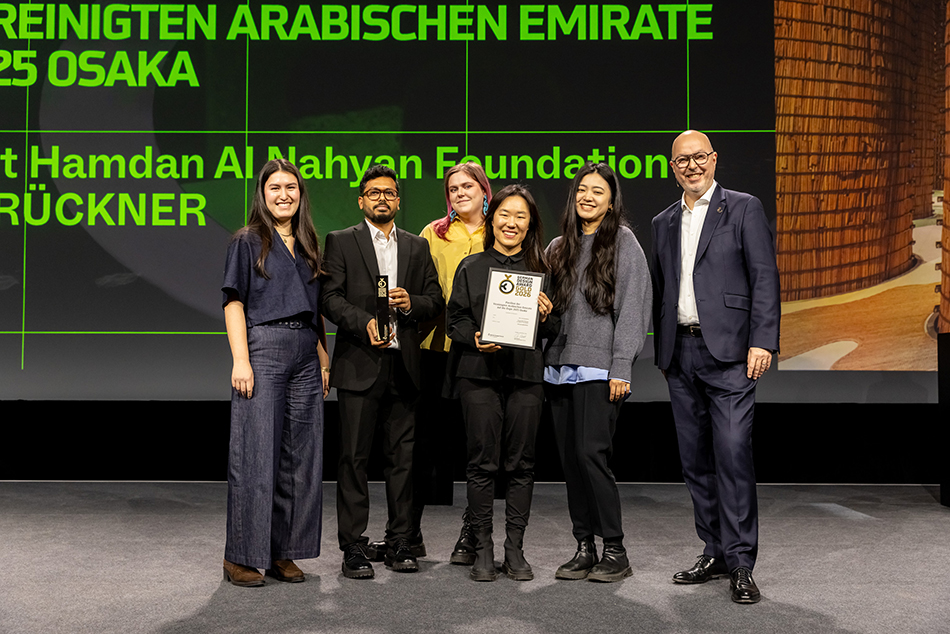
Individual signatures, shared standards
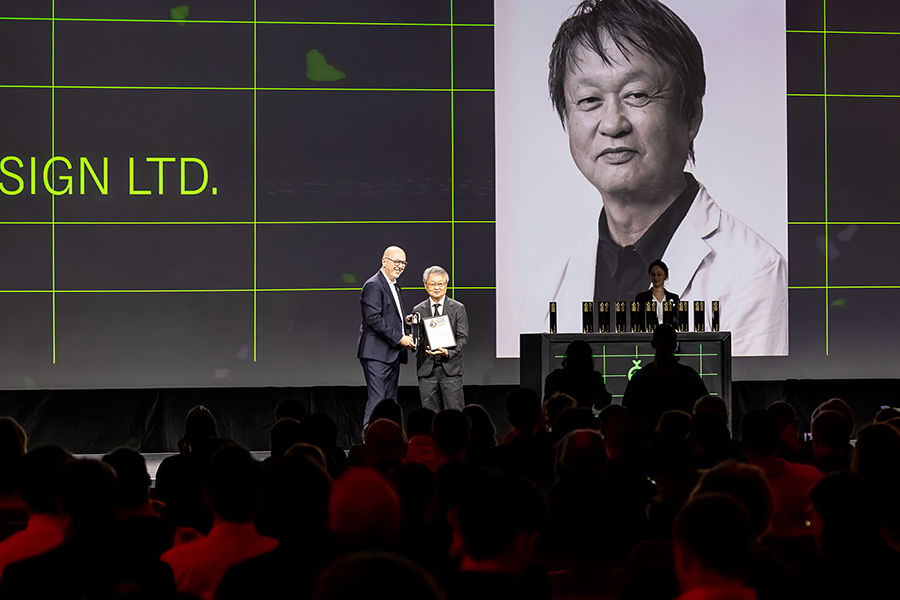
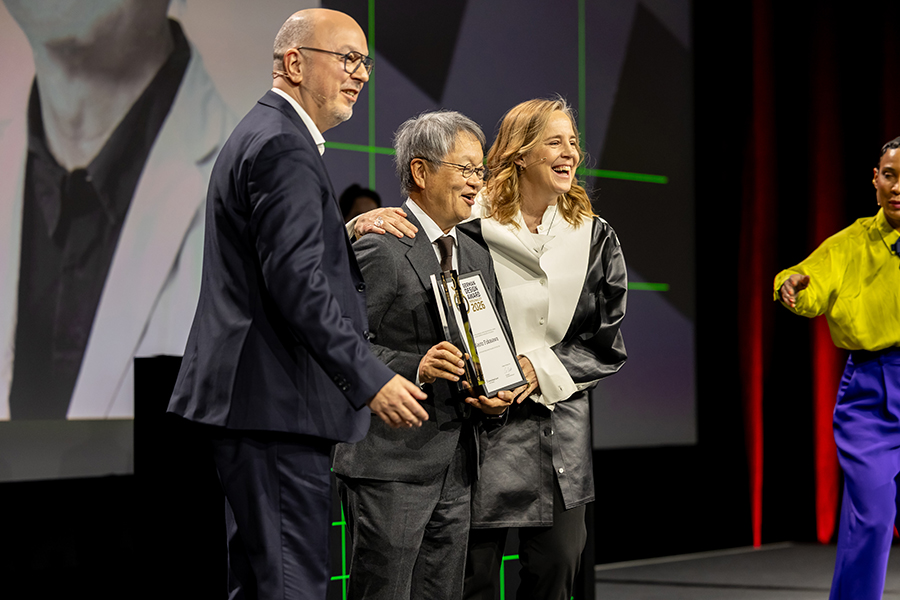
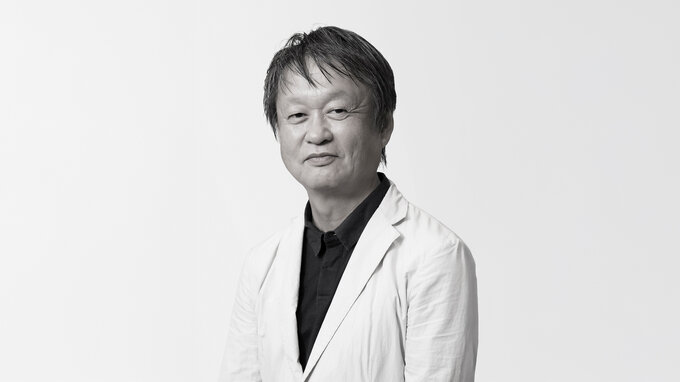
The recognition of Naoto Fukasawa asPersonality of the Year 2026 underlines this position. His work stands for clarity, precision and reduction. Sheila Loewe, President of the LOEWE Foundation, acknowledged his consistent approach to material and users. Quality arises from integrity rather than effect.
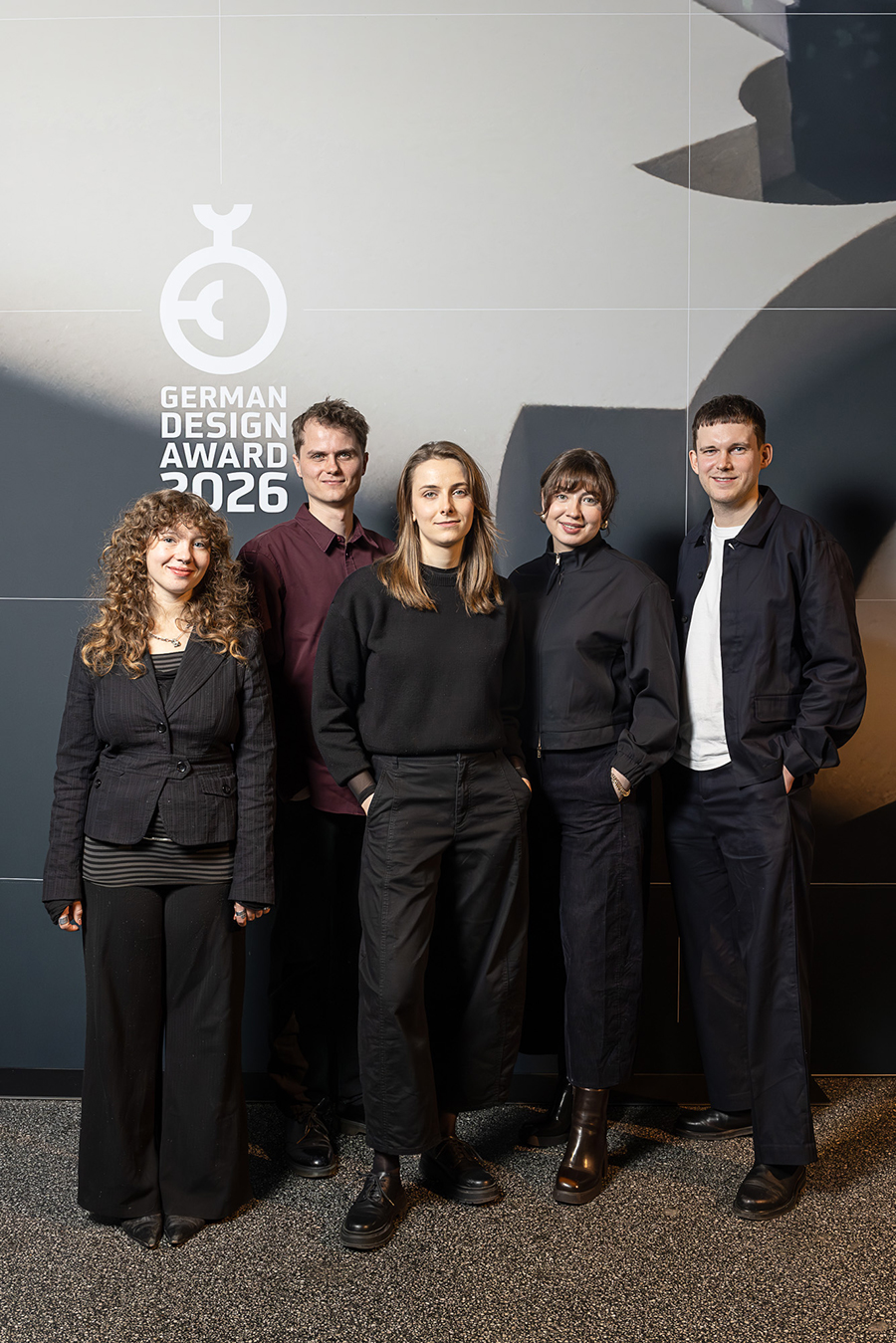
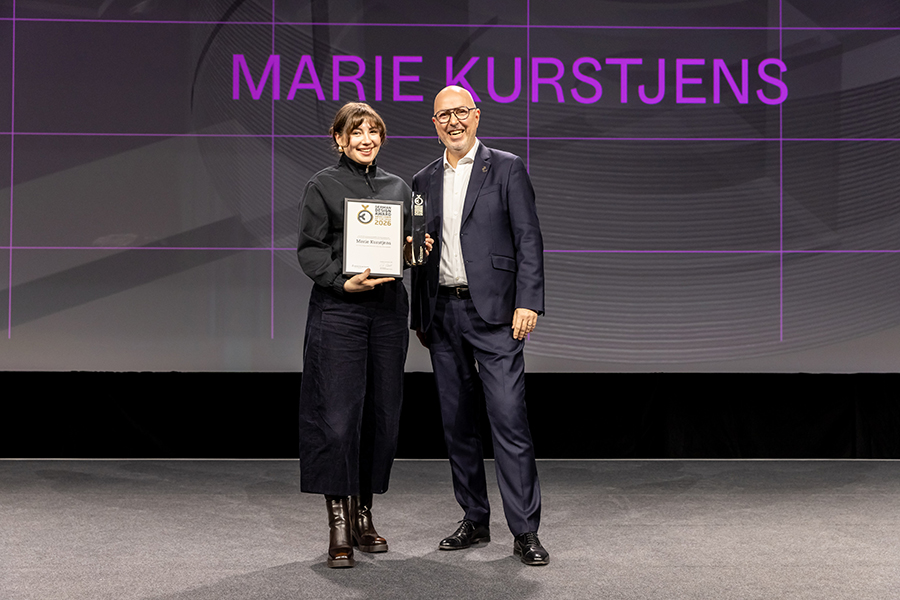
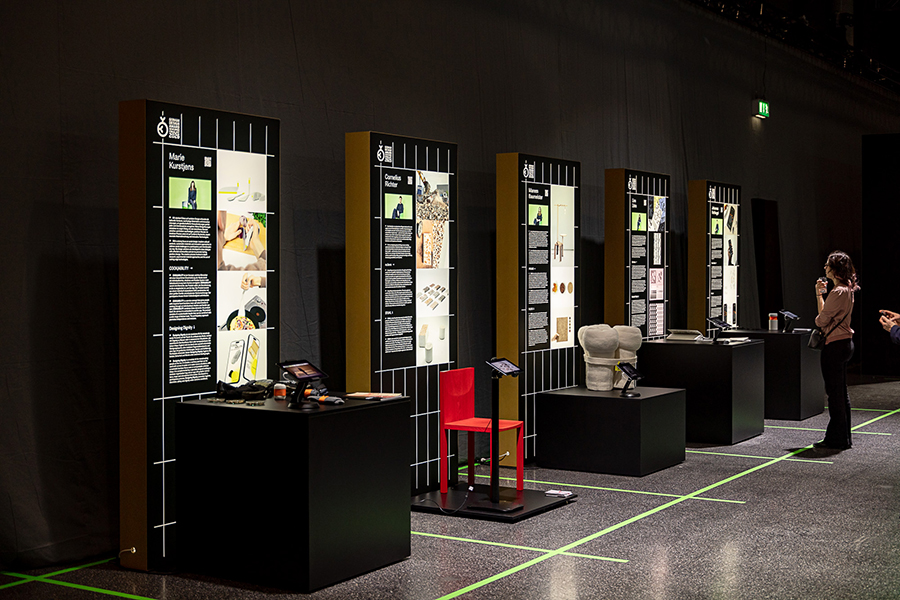
With Marie Kurstjens as Newcomer of the Year 2026, a position was honoured that understands design as a societal responsibility. Her projects combine social questions with structural implementation.
The connection of the relevant German Design Awards topics will continue within the context of the World Design Capital Frankfurt RheinMain 2026. Design is understood here as a structural force connecting industries and disciplines.