Barbara Hahn: Understand First, Then Create
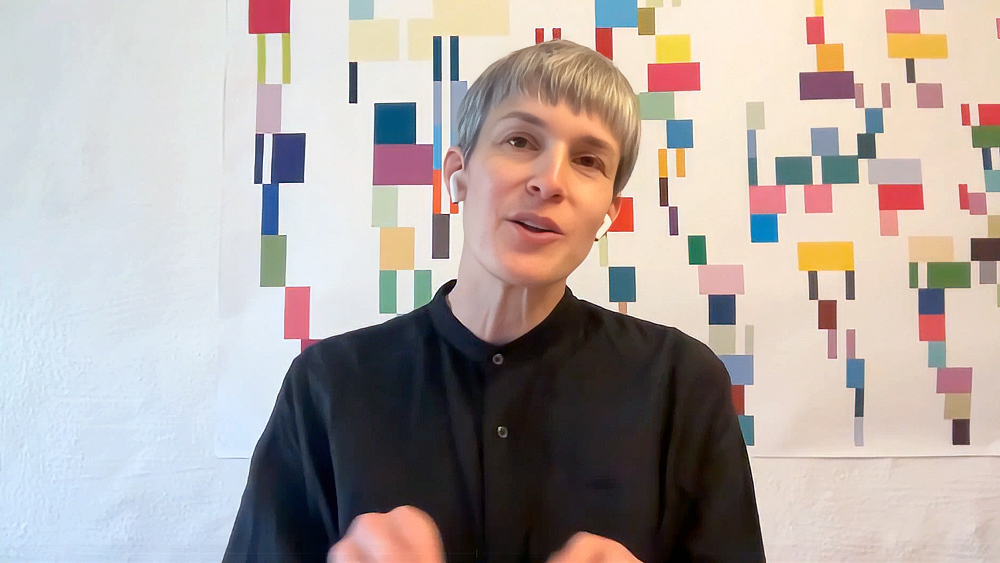
A design nudge in data visualisation is a way of designing information density so readers are guided towards understanding. This is exactly where Barbara Hahn begins. For her, the quality of a visualisation is decided at the start, not at the end. It comes down to one question: who is the design intended for?
Data is often framed as the basis for good decisions. It is meant to provide orientation, reveal developments and make complex connections easier to grasp. In practice, the opposite often happens. The more information is available, the harder it becomes to keep track.
Barbara Hahn has worked at this intersection for more than twenty years. With her agency Hahn+Zimmermann, she focuses on data visualisation and information design. The project "Women in Politics" grew out of an observation many designers share: the numbers are rarely the real problem. The real question is how people gain access to them.
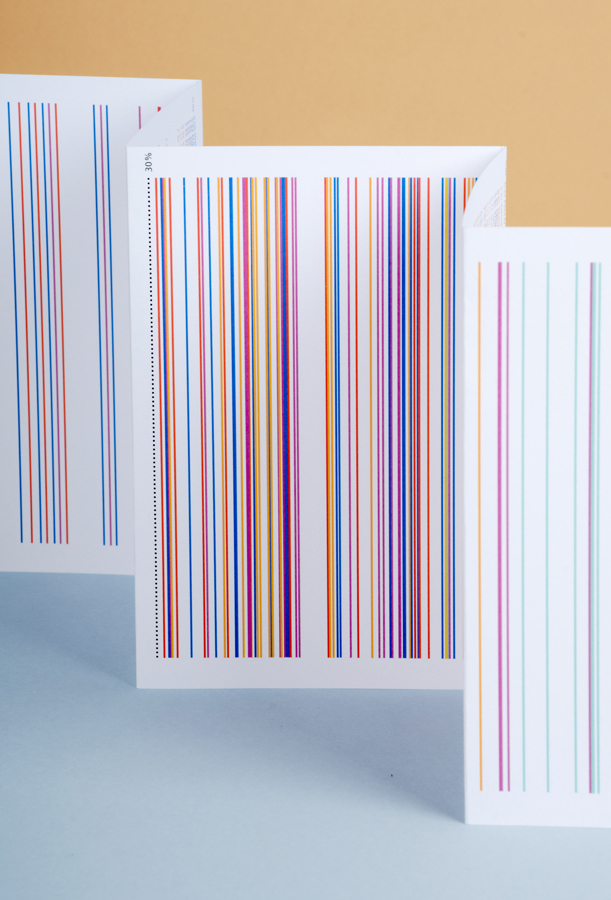
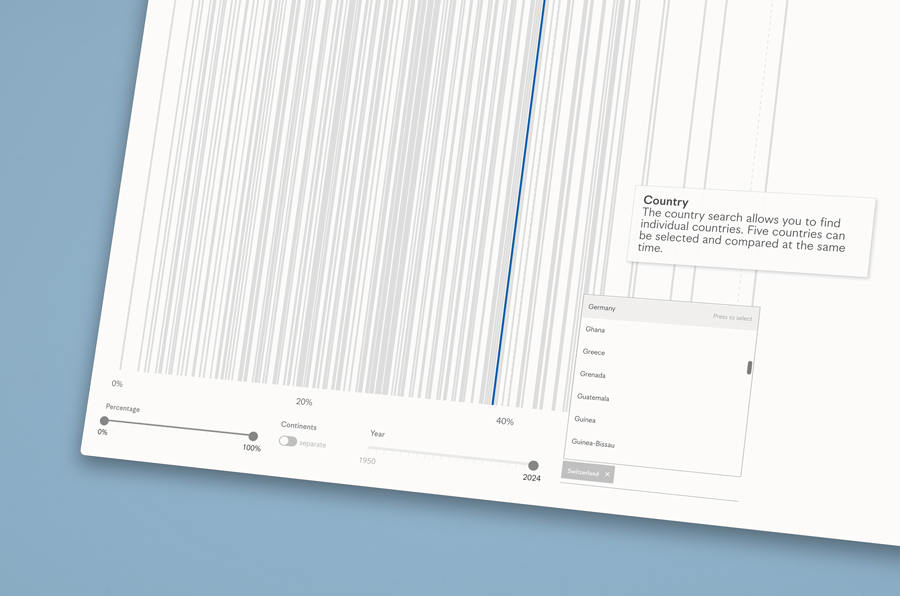
Over a period of five years, the project team developed an information campaign that makes the gender balance in the parliaments of more than 190 countries visible. It addresses a socially relevant topic and a design challenge. Hahn says: "A project needs a question from within our own discipline, and it needs relevant, engaging content."
Most Visualisations Think Too Little About Their Audience
Good data visualisation starts with the audience, not the chart. When people talk about data visualisation, they often talk about chart types, colour codes or interactivity. Barbara Hahn talks about readers first: "We think very specifically about who our audience is, who the target audience is, and who reads this."
Every audience brings different expectations, different prior knowledge and different attention spans. That is why the quality of a visualisation is decided by how much complexity is useful.
Hahn says: "Keeping the target audience in mind is essential. Then you make a real decision about information density and complexity, and how much you challenge your readers."
The task is not to show as much data as possible. The task is to design the right level of complexity.
A Story Needs More Than One Channel
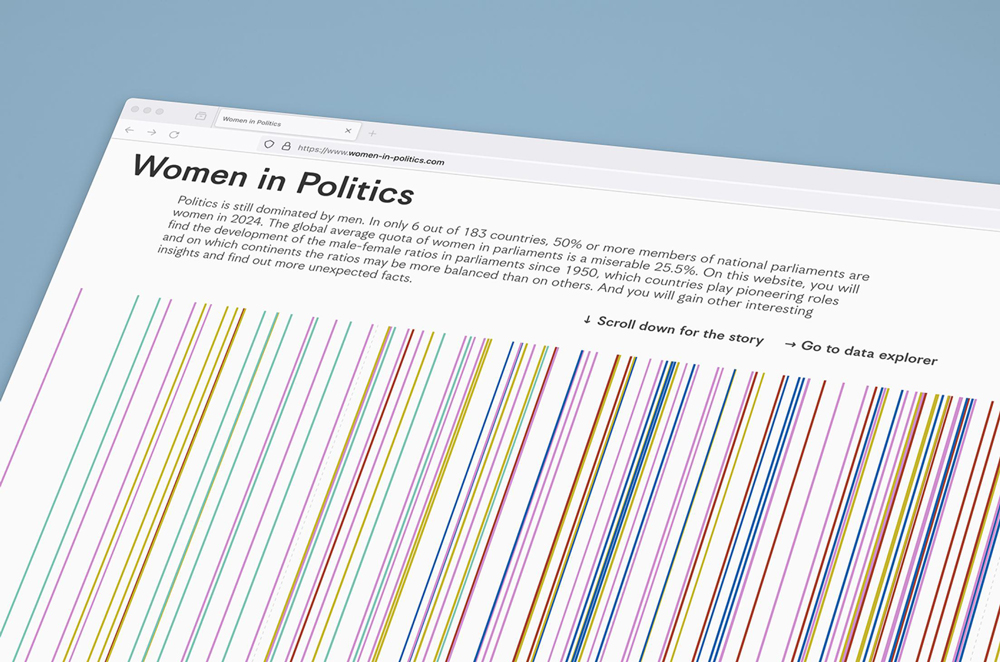
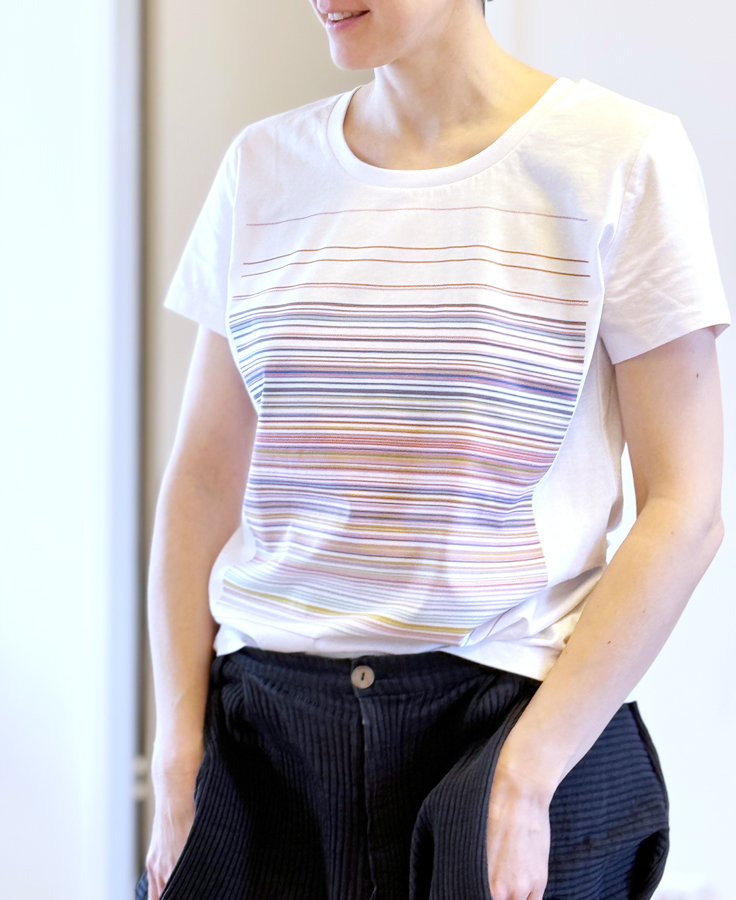
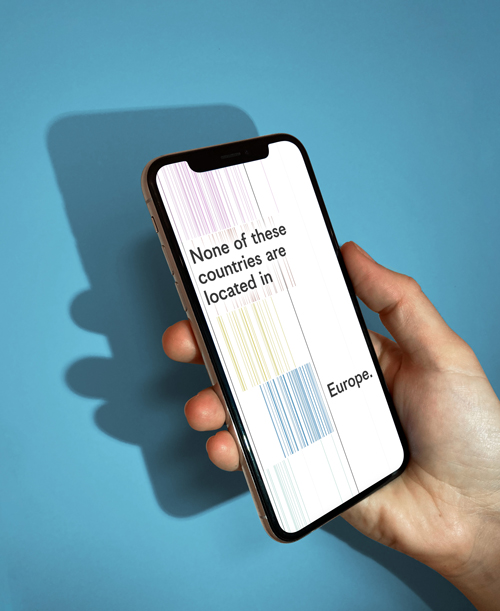
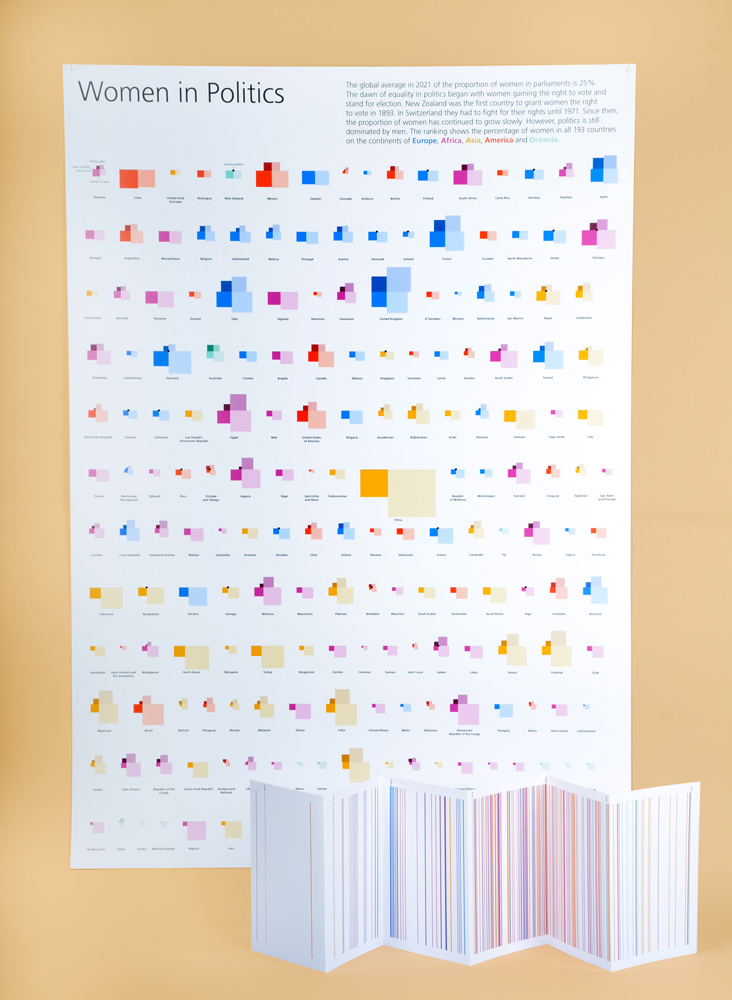
Cross-media information design reaches people where they are. Information no longer reaches people in just one place. That is why "Women in Politics" was developed as a cross-media campaign. The data appears on an interactive website, as animations, in print, and even as graphic objects in everyday life, such as on T-shirts or washi tape.
Hahn says: "The strength of the project is that it reaches different audiences across very different channels."
The visual identity remains consistent. Hahn explains: "The key visual stays the same throughout the project. The storytelling formats vary." The insight behind this is simple. Not every platform needs a new idea. Every platform needs its own way of telling the story.
Visibility Is Not Understanding
A visualisation succeeds only when it enables understanding. Many information graphics generate attention. Few generate understanding. For Barbara Hahn, that is the difference between decoration and communication: "The idea is that a very precise translation leads to an independent image that helps the reader not only see the numbers, but also understand them."
Data remains abstract. Design creates context. It helps people classify relationships and recognise patterns that would stay hidden in tables or datasets. Only then does information become knowledge.
Understand First, Then Design
If you do not understand the content, you cannot design it. At a time when visualisations are often produced within a few hours, Barbara Hahn argues for the opposite: slowing down.
"Only when I, as a designer, have understood the content am I able to translate it visually in a meaningful way."
For her, design does not begin with form, but with understanding. First comes engagement with the content, then the visual translation. Not the other way round.
This leads to a bigger question. What role can communication design play in an increasingly data-driven world? Hahn does not see designers as mere form-givers. In her view, the greatest potential lies where expertise meets the public. She asks: "How can we add value to other disciplines from a design perspective?" And she says: "I want to encourage designers to engage deeply with unfamiliar content."
In the end, much comes back to one question: what are we designing for? For Barbara Hahn, content and aesthetics belong together. Design loses its value when it becomes pure surface.
The strongest images are created when form is developed directly from the content. They spark curiosity, provide orientation and stay in people's minds. That is what makes "Women in Politics" so relevant. The project does not only visualise data on political representation. It shows how communication design can translate complex information into something people can actually understand.
Does Your Project Show How Design Can Make Complex Topics Accessible?
"Women in Politics" shows that communication design can do far more than make information look appealing. It creates orientation in an increasingly data-driven world. It makes complex relationships understandable, opens new perspectives and helps people make informed decisions.
These are exactly the kinds of projects highlighted by the German Design Awards. The awards recognise work that addresses relevant social questions, develops new ways of communication and shows how design can make knowledge accessible.
If your project makes complex content easier to understand, opens new perspectives or reaches people through design, now is the moment: register for the German Design Awards 2027, present your work to an international jury, and become part of a global network of design excellence.