Patrick Speck: Design Begins Where Memories Are Made
A design nudge in architecture is a spatial decision that guides people intuitively towards an experience without explaining or prescribing it. In brand spaces, that means atmosphere, materiality and wayfinding create the conditions in which memories are made.
Every year, hundreds of brands compete for attention during Milan Design Week. Spectacular installations and bold statements shape the city. With "Grohe Spa Aquatecture", Grohe deliberately chose a different path.
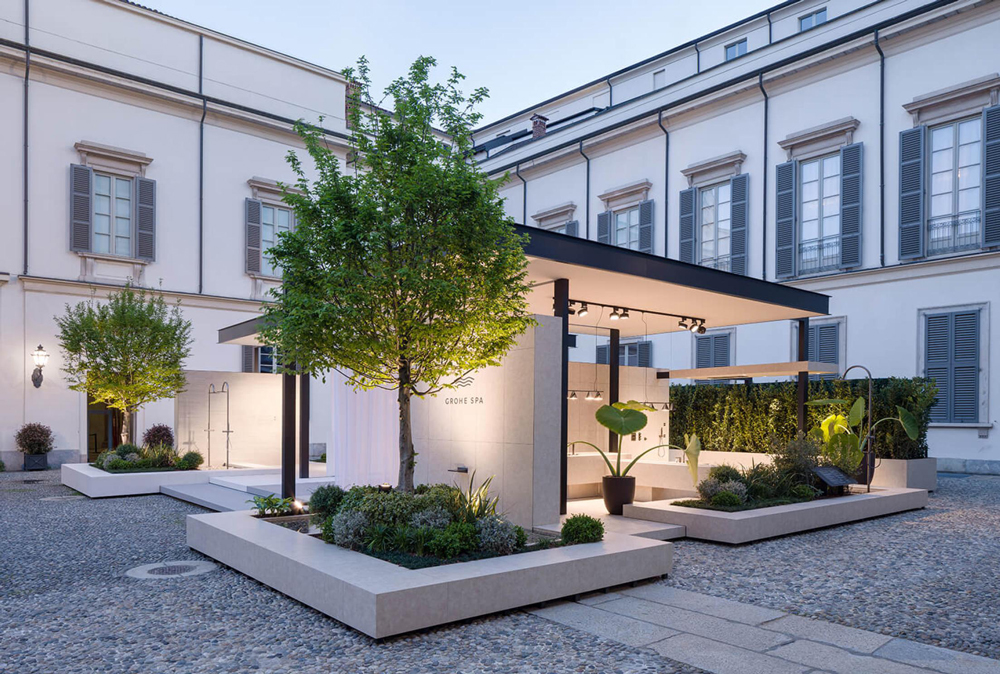
Set in the historic courtyard of the Palazzo Reale, the installation was not centred on products, but on a feeling. Visitors entered through a circular portal and shifted almost unnoticed from the bustle around the Duomo into a calm, slowed down world of water, materials and architecture.
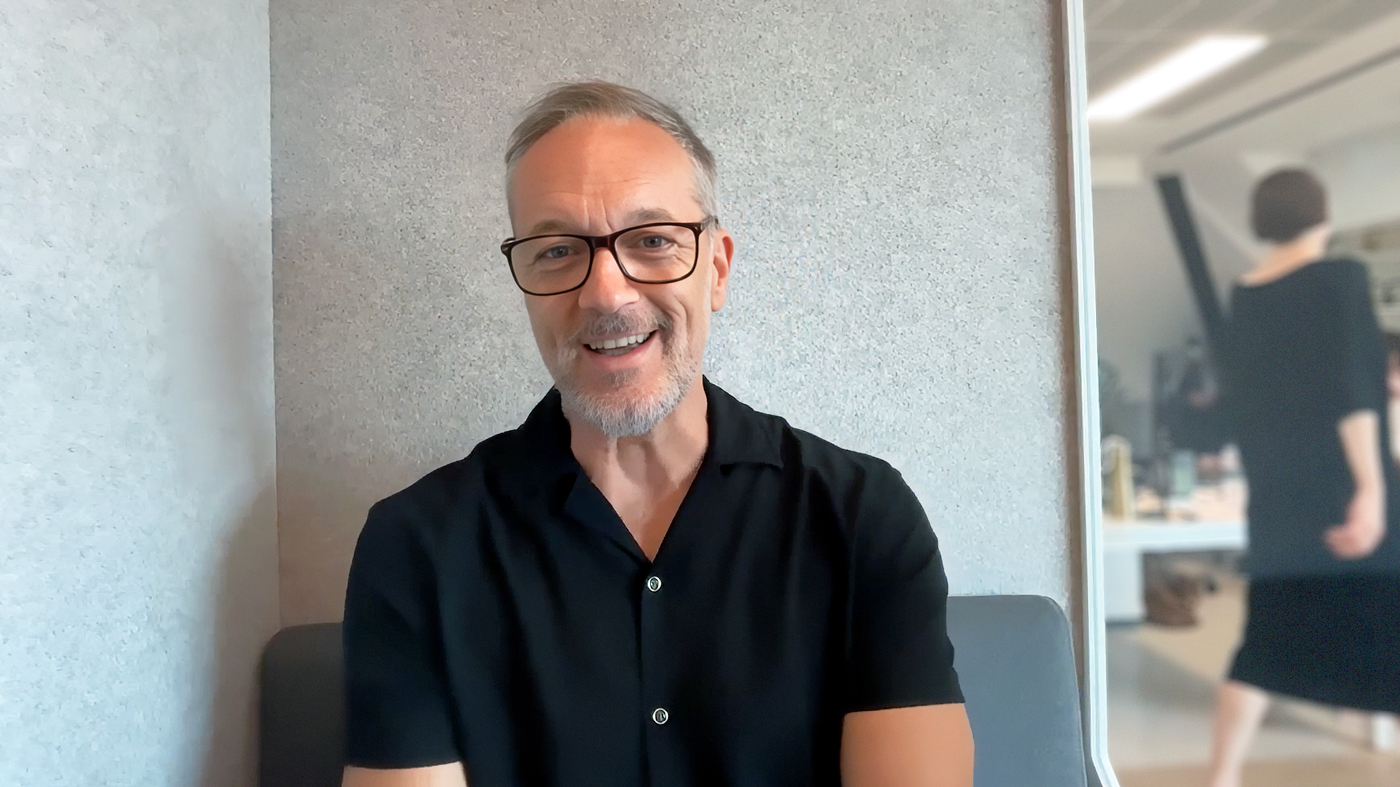
For Patrick Speck, that transition was the point: "When we talk about memorable experiences, what we want to create above all is an emotional connection. If something does not stick with you, you forget it."
A Great Installation Needs No Instructions
The key point is this. People did not need to learn how to use the space. They understood it intuitively. No one told visitors where to go or how they should experience the installation.
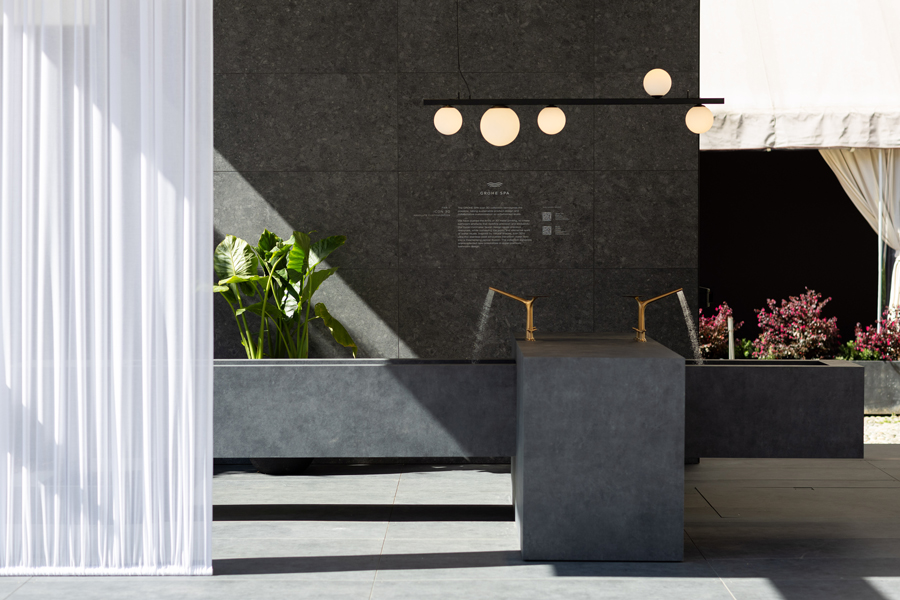
Instead, everything happened naturally. People touched the water. They discovered the products. They gathered on the central plaza of the installation, almost as on an Italian piazza.
Three design choices make this principle tangible:
- Transition: The circular portal marks the shift from city bustle to calm.
- Materiality and water: Surfaces and water experiences guide attention without demanding it.
- Centre: The central plaza creates encounter, like a piazza.
Speck recalls: "We did not have to tell people what to do. They just did it naturally." For him, that naturalness is the mark of good design.
"We did not have to tell people what to do. They just did it naturally."
Authenticity Cannot Be Designed
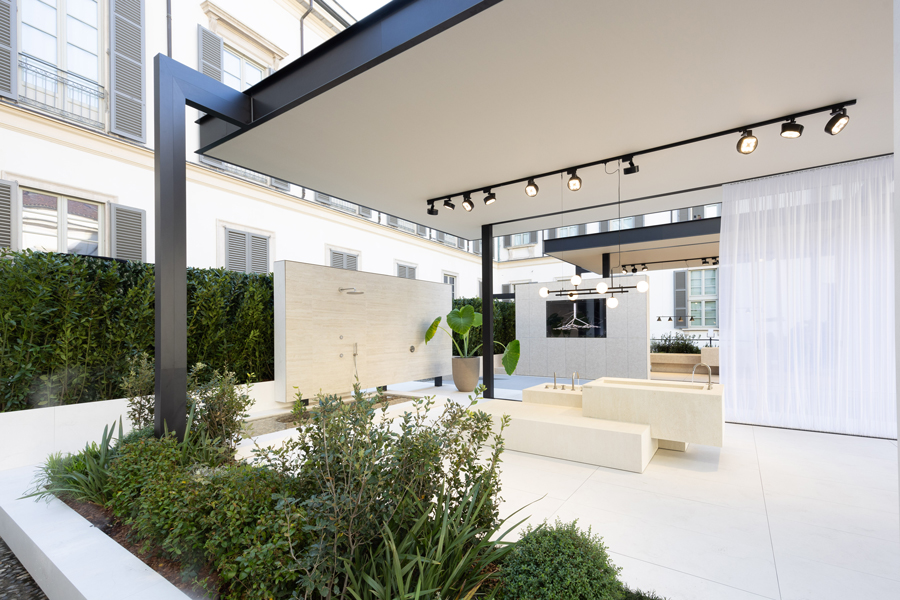
Authenticity does not come from storytelling alone. It happens when brand, space and experience speak the same language. For Speck, consistency is one reason the installation worked.
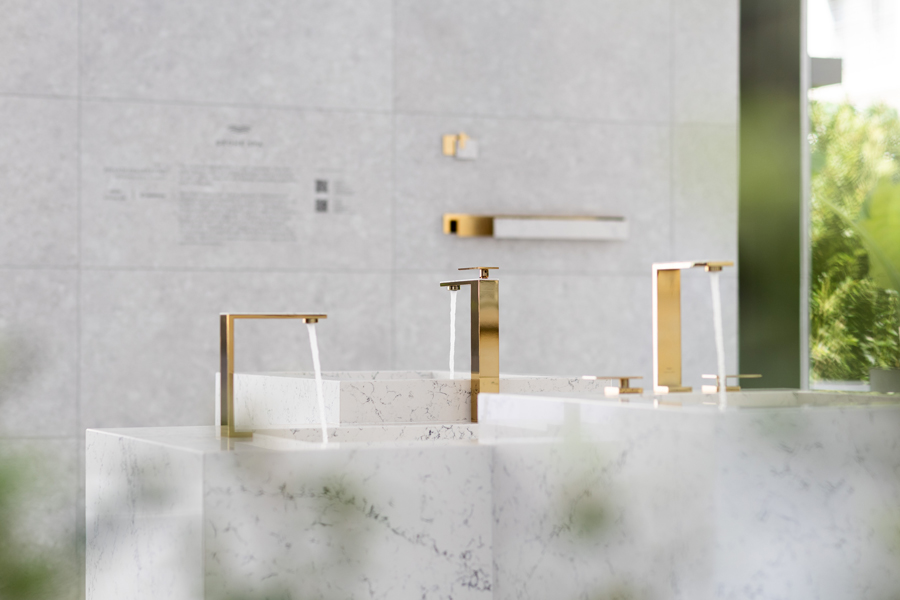
The architecture told the same story as the products. Water, materials, light and atmosphere expressed one clear idea. Speck emphasises: "If we are not honest with our values or how we represent them, people immediately feel a disconnect."
Today, this principle is also described as storyliving. That is why "Grohe Spa Aquatecture" did not feel like a temporary exhibition stand. It felt natural.
The Return of Real Experiences
Digital technologies can strengthen brand spaces, but they do not replace them. Speck says: "Digital should augment the physical, not replace it."
He sees a return to face to face connection. "Personal connection and direct exchange from person to person is where brand communication is heading."
In an attention economy, the temptation is to chase quick impact. Speck calls that the wrong measure. "I would encourage designers to focus on long term value rather than short term impact."
He compares this approach to a one hit wonder. Short term attention can be successful. Meaningful design, however, continues to fulfil and surprise people years later: "The most successful designs and experiences are the ones that continue to fulfil and surprise you over time."
"I would encourage designers to focus on long term value rather than short term impact."
What Memory Will Your Design Leave Behind?
The German Design Awards recognise projects that take a holistic view of design and show how design can create emotional connections. "Grohe Spa Aquatecture" shows that the strongest brand spaces are not the loudest, but the ones people leave with a feeling.
If your project offers new answers to the challenges of our time, now is the moment: register for the German Design Awards 2027, present your work to an international jury, and become part of a global network of design excellence.