Elson Lin: Why Good Design Shouldn’t Follow Every Trend
Design Starts with a Question
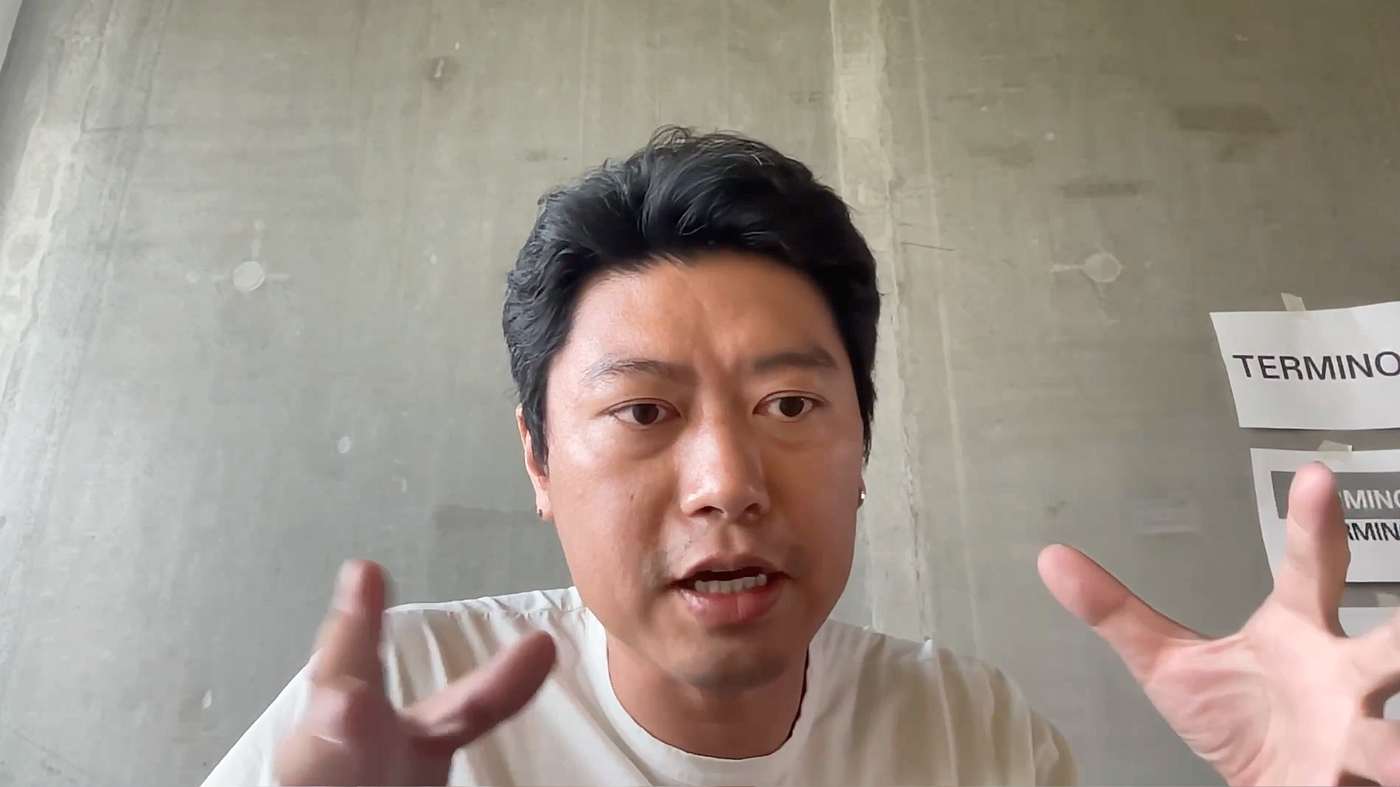
When people invest in a kitchen, they are often making a decision for many years to come. At the same time, lifestyles, living situations and personal needs are changing faster than ever. For Elson Lin, this tension reveals one of the biggest challenges in contemporary kitchen design.
The founder of TERMINO asks a simple question: Why are kitchens often the least flexible elements in our homes, while our lives have become increasingly adaptable?
With TERMINO, Lin has developed an answer that impressed the jury of the German Design Awards. The modular kitchen system was recognised with a Winner distinction in the category Excellent Product Design – Kitchen. Yet behind the award-winning product lies much more than a new kitchen concept. It reflects a broader philosophy about design.
Design Is Not About Form First
Before founding TERMINO, Elson Lin spent years exploring product development and the challenges of modern consumer goods. From the beginning, his motivation was clear: solve real problems—for customers as well as for the industry.
“Many products today are designed for a specific target group, a specific style or a specific moment,” he explains. “I was interested in creating something that could adapt to different living situations over many years.”
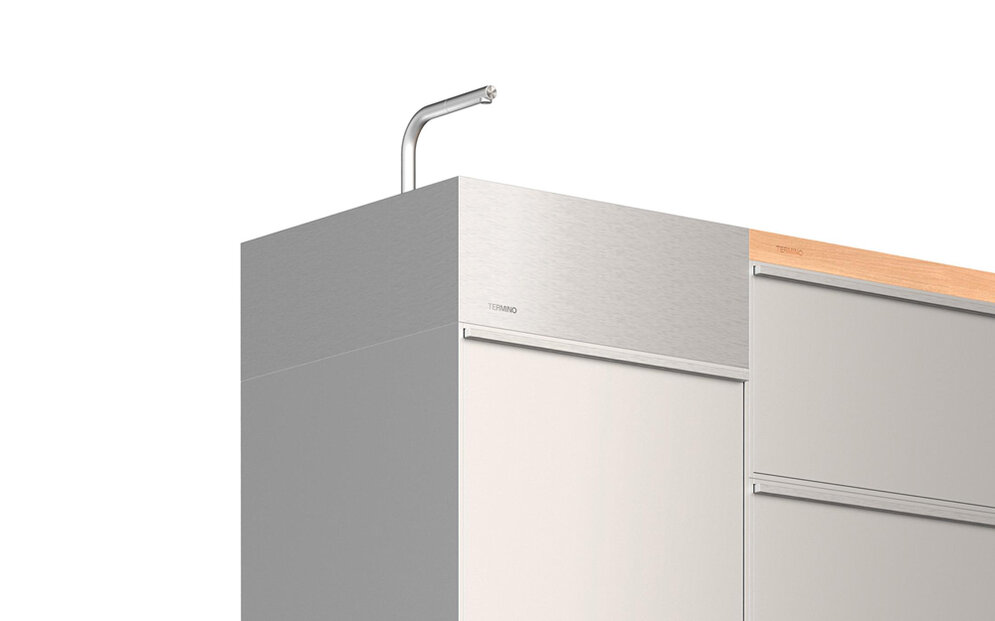
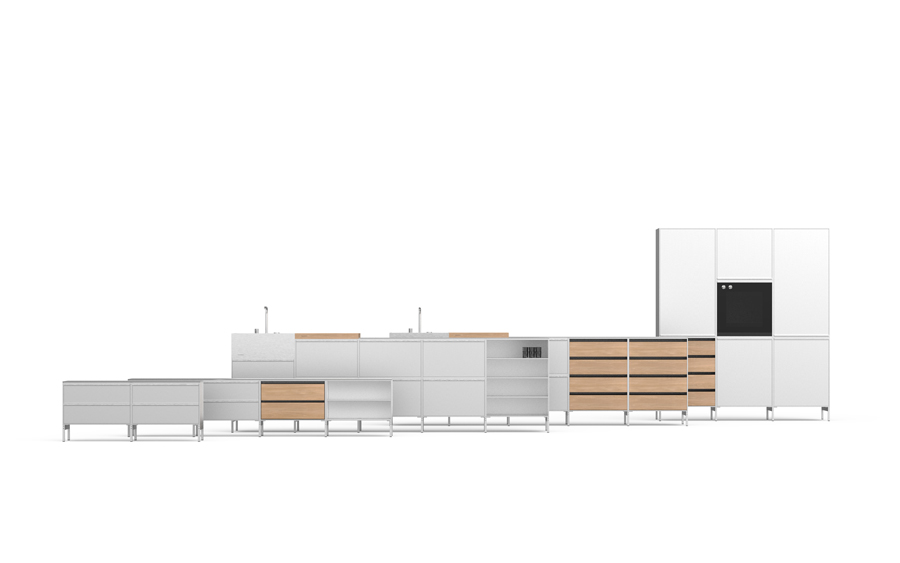
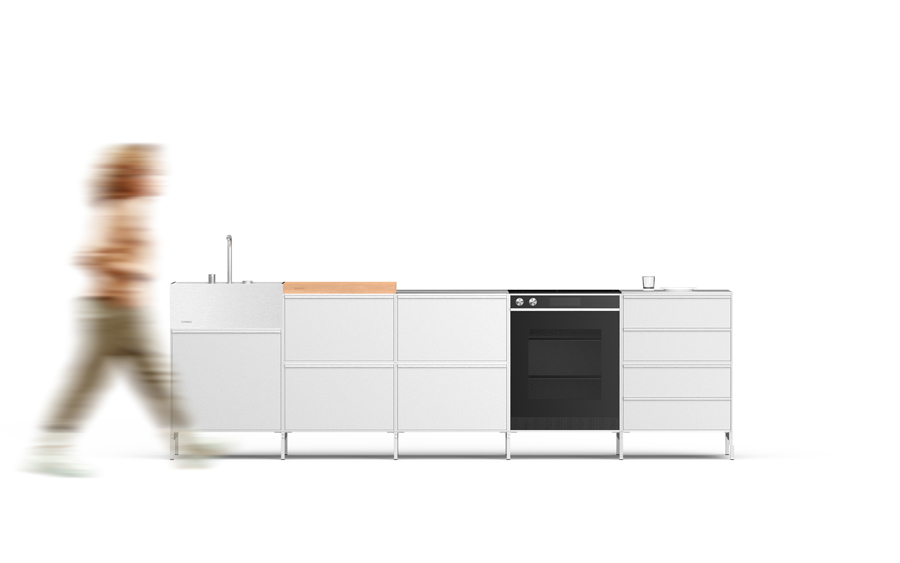
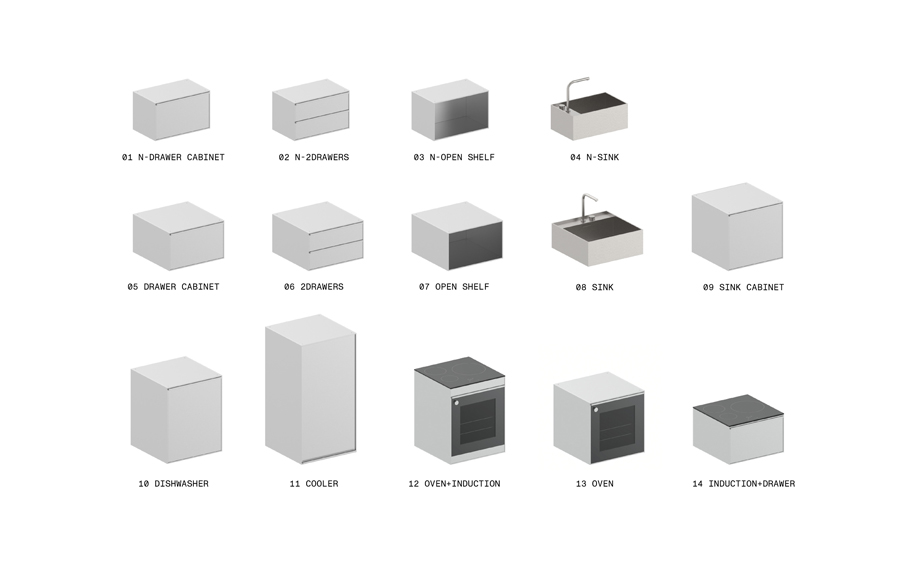
This idea became the foundation of TERMINO’s modular system. Rather than seeing kitchens as fixed installations, Lin views them as flexible infrastructure. Individual modules can be combined, expanded or adapted as needs change over time.
Why Simplicity Is So Difficult
One word comes up repeatedly when speaking with Elson Lin: simplicity. “Good design should be simple and easy.” What sounds obvious is, in his view, one of the greatest challenges in product design. “The easiest thing sometimes is difficult to make.”
The clean and minimal appearance of TERMINO is not the result of simplification. It is the result of an intensive process that brings together engineering, material expertise and manufacturing knowledge. Every detail is questioned. Which functions are truly necessary? Which components can be reduced? How can a product remain both flexible and durable?
For Lin, designers need to think beyond aesthetics.
“Designers should really understand materials. What are their characteristics? Where are their limitations? And how can they be used in the best possible way?”
Moving Beyond Trends
Another theme runs throughout the conversation: a scepticism towards fast-moving trend cycles. “Designers shouldn’t follow the trend too much.” Lin observes that trends now emerge and disappear at an unprecedented pace. Colours change. Materials change. Styles change. Products are often replaced long before they stop functioning.
For him, sustainability begins long before recycling enters the conversation. “Trend is always changing by season, by years, and also the material is changing every quarter. So people always get bored.” Instead, he advocates for products that are designed to remain relevant over time. Materials should speak for themselves. Design should be defined by clarity and longevity rather than short-term visual effects.
If people genuinely want to keep a product for many years, Lin believes, that may be one of the most sustainable outcomes a designer can achieve.
Products Should Adapt to People
Many products are developed for highly specific use cases. TERMINO takes a different approach. “People always want to categorise products.”
For Lin, the strength of good design lies in its ability to remain open. Products should be able to accompany different spaces, lifestyles and life stages without losing their identity. “Good design needs to be neutral.”
Neutrality does not mean being generic. It means creating products that can adapt to different contexts while remaining functional, relevant and aesthetically consistent.
Design Is a Team Effort
One of the most striking aspects of Lin’s perspective is how often he talks about production, logistics and supply chains rather than aesthetics alone. “The good product needs to have a good relationship with all the supply chain management partners.”
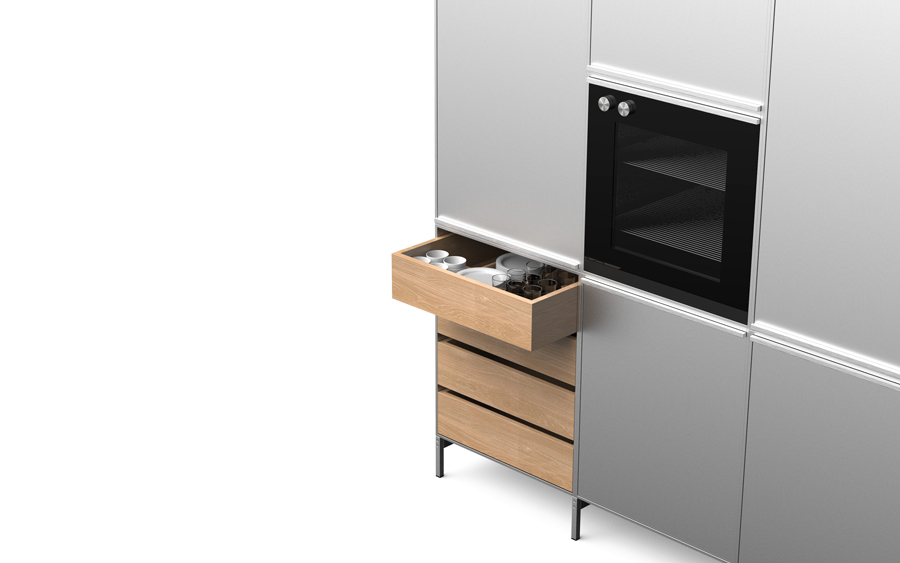
For him, good design is never created by a single person. It emerges through collaboration between designers, engineers, manufacturers and logistics partners. This philosophy is reflected throughout the TERMINO system. Materials such as recycled aluminium, stainless steel and European oak were chosen not only for their appearance, but also for their durability, repairability and long-term performance.
Does Your Project Create Long-Term Value?
TERMINO demonstrates that sustainable design goes far beyond selecting the right materials. It begins with a fundamental question: How can products be used, maintained and adapted over many years? Good design does not only solve problems for today. It anticipates the needs of tomorrow.
These are the kinds of projects recognised by the German Design Awards. The awards celebrate work that combines innovation with responsibility, opens new perspectives and demonstrates how design can respond to the challenges of our time.
If your project offers new answers to questions of sustainability, user-centred design or product innovation, we look forward to your submission to the German Design Awards 2027.
Take the opportunity to present your work to an international jury and become part of a global network of design excellence.