Federico "Kiko" Ferretti: The End of Feature-Driven Design
More Features Don't Make a Better Product
For years, product innovation has been treated like a race for more. One extra feature. One more technology. One more reason to stand out from the competition. For Federico "Kiko" Ferretti, that's exactly where product development often goes wrong.
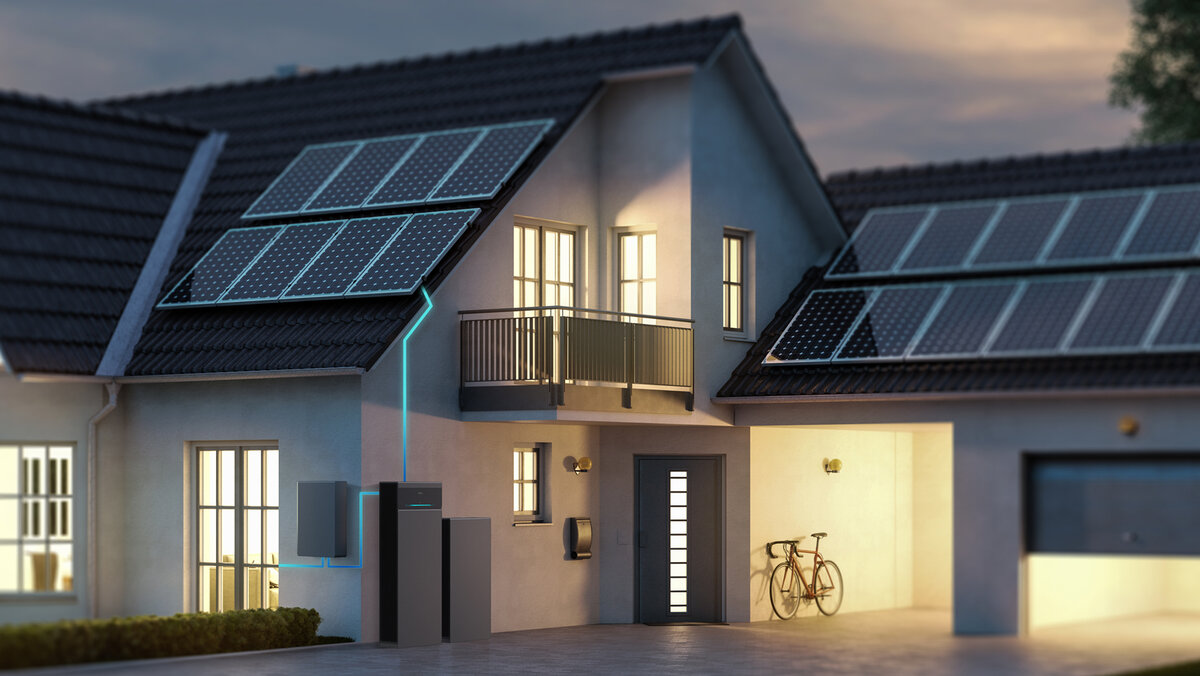
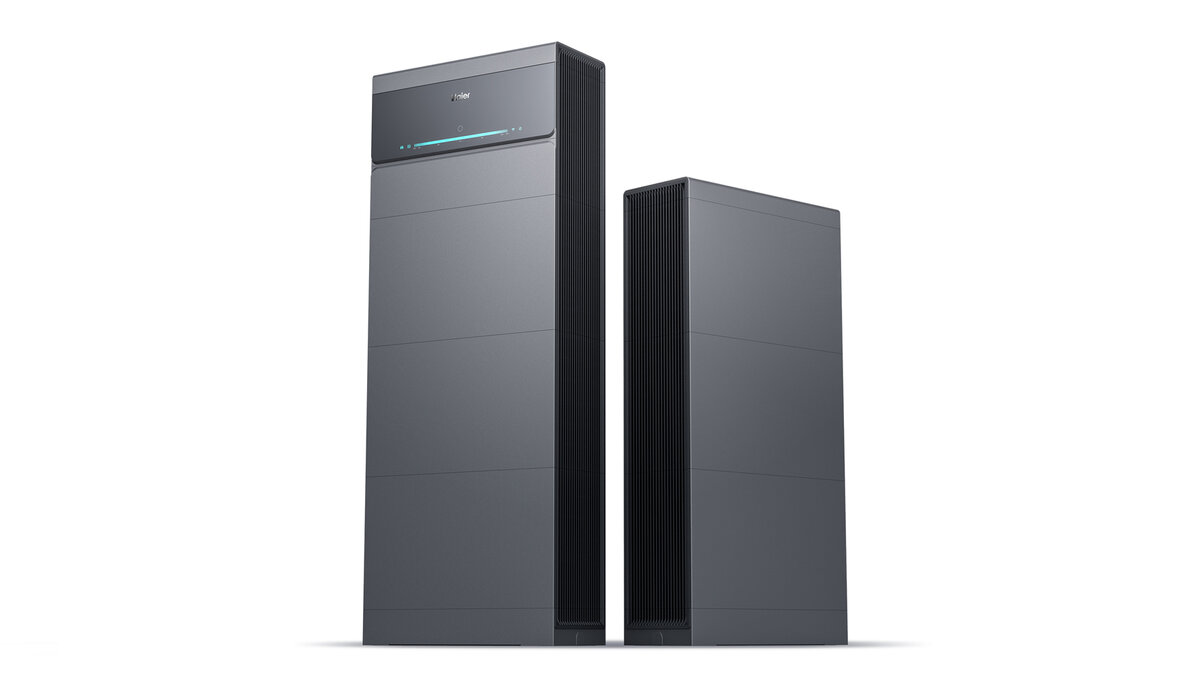
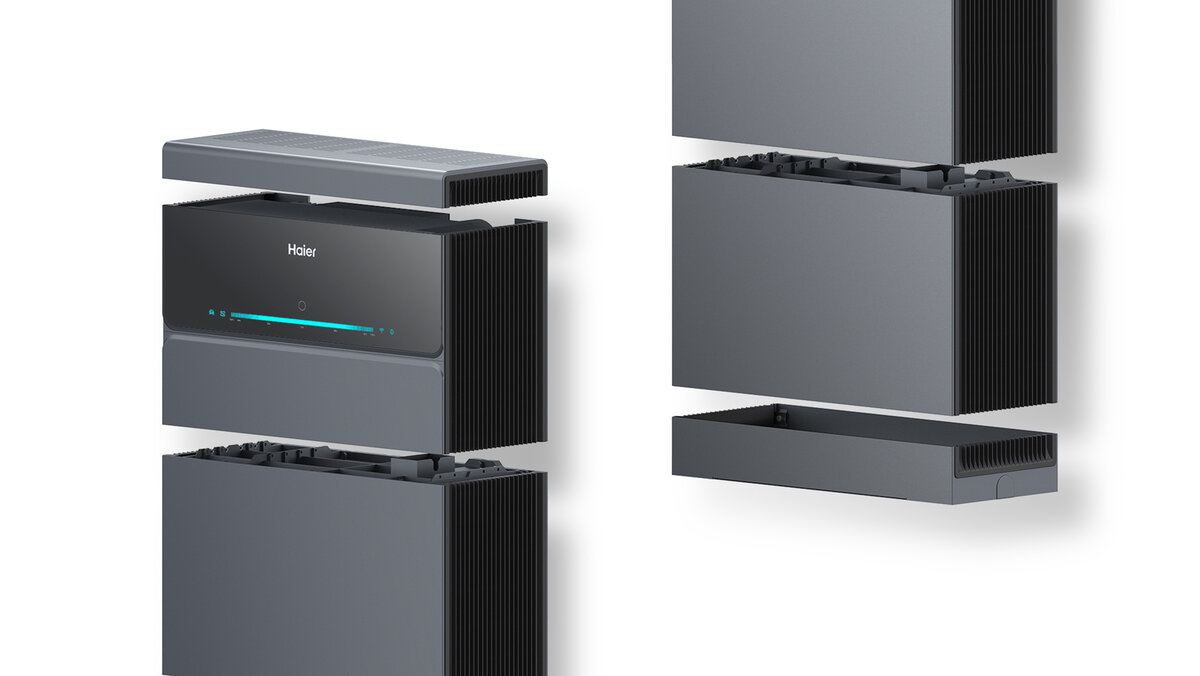
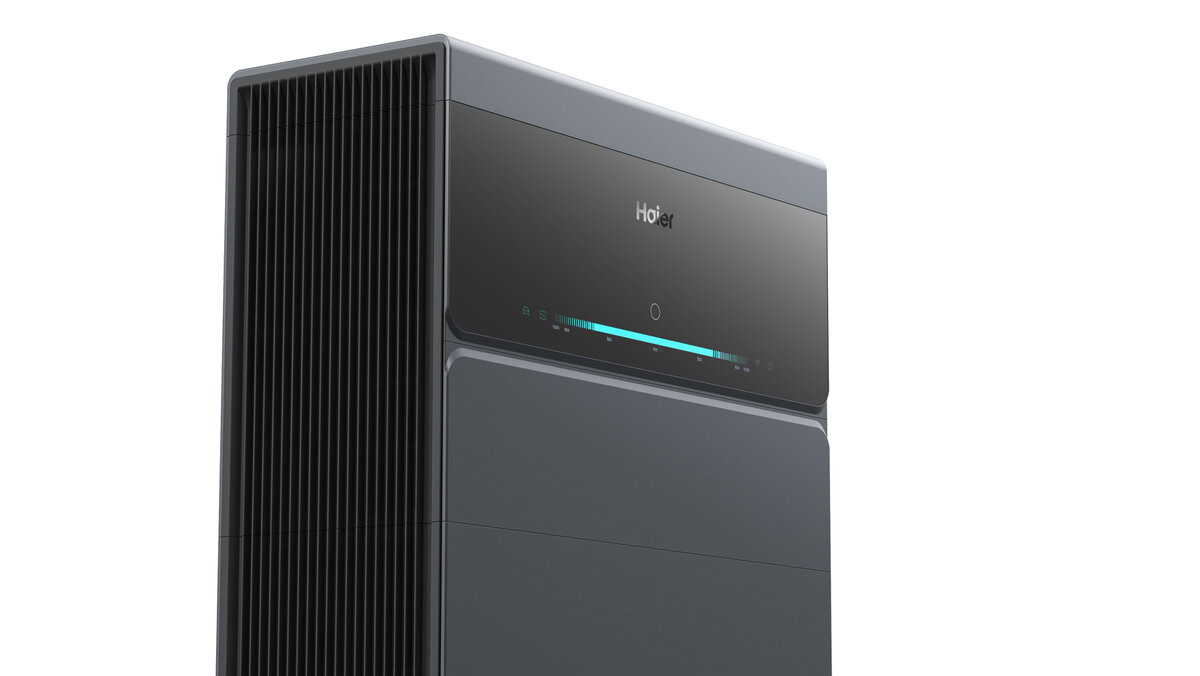
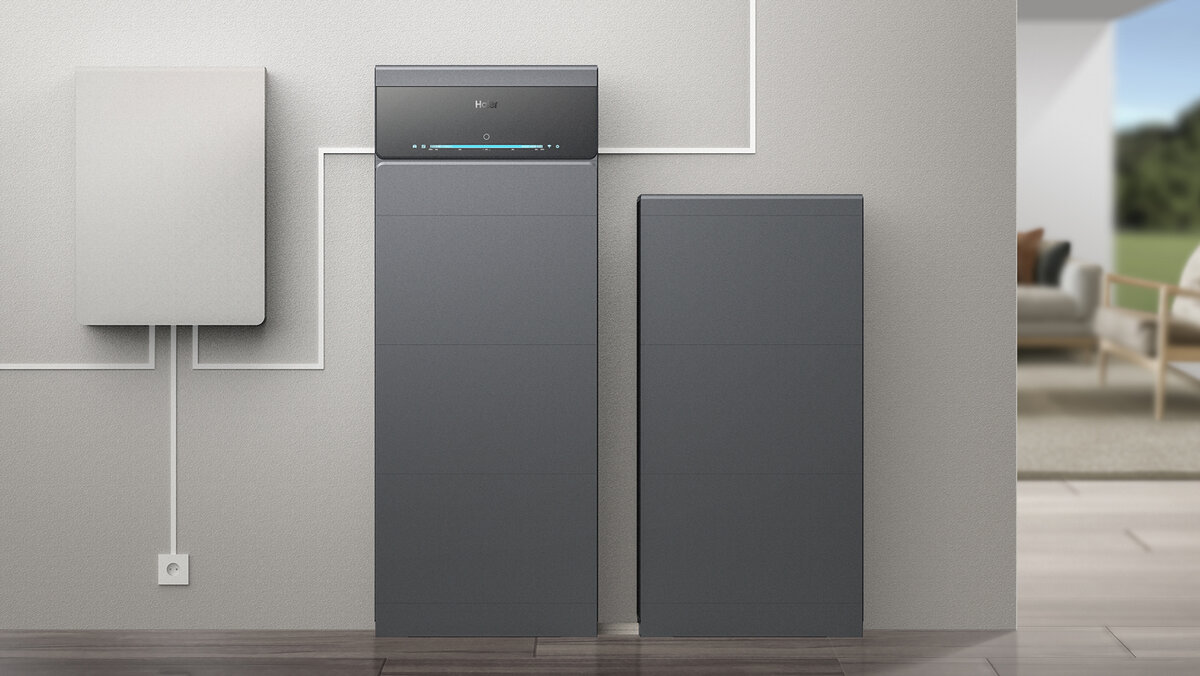
With the E-Tower Ultra, recognised by the German Design Awards, the Haier Innovation Design Center follows a completely different philosophy. The goal isn't to pack in as many features as possible. It's to focus on the ones that genuinely improve everyday life. For Ferretti, good design doesn't start with technology. It starts with people.
"Design creates value for people. And by creating value for people, it automatically creates value for business."
For him, design is no longer simply about shaping products. It's about connecting strategy, brand, technology and human needs into one clear vision.
The Best Design Disappears Into Everyday Life
During the conversation, Ferretti refers to an idea by Naoto Fukasawa, German Design Awards Personality of the Year, that has deeply influenced the way he thinks about design. "The best design is a design that dissolves into behaviours."
To him, that represents the highest level of design quality.
"To simplify design is not about a simple aesthetic. It is about going to the essence of a product and the experience you want to deliver."
The best products don't demand attention. They simply become part of everyday life. People don't think about them—they just use them.
Ironically, that sense of effortlessness takes an enormous amount of work to achieve. One of the biggest mistakes in product development, according to Ferretti, is designing against the competition. When products are built around feature comparisons, teams quickly fall into what he calls the "plus one" mindset: one more feature than the competitor, one more function, one more technical argument. That rarely leads to better products.
Instead, design should begin with different questions. What do people actually need? What values shape their everyday lives? What kind of experience should the product create?
Only after answering those questions does simplification become possible. For Ferretti, the role of designers has changed dramatically.
"Designers today need to be really fluent. It's not only about understanding people and understanding business. It's also about understanding brand."
Products are no longer created inside isolated design departments. They emerge through constant dialogue between design, strategy, marketing and the people who will eventually use them.
At Haier, where multiple global brands need distinct identities while remaining strategically aligned, that balance is especially important. Every project starts with three simple questions: What do people value?, What does the brand stand for?, How do those two come together?
Market Share Is Yesterday. Mind Share Is Tomorrow
One of the strongest ideas in the conversation is Ferretti's definition of success. "Our objective is no longer market share. It's about mind share." Long-term success isn't built by selling more units. It's built by becoming part of people's everyday lives.
"It's about entering people's homes, entering their hearts, entering their daily life – and that's what creates a long-lasting product."
This mindset is especially relevant in the home appliance industry, where products are expected to stay with people for eight or ten years. Their success isn't measured only by performance. It's measured by how naturally they become part of everyday routines.
Ferretti describes design as the intersection of three different kinds of value. People have personal values. Brands have their own values. Businesses create commercial value. The order matters. Business value doesn't come first – it emerges when people values and brand values are successfully aligned. That's how products become more than useful. They become meaningful.
"Whenever you have to choose between two directions, choose the one that scares you the most."
Design is always about making choices. Between certainty and uncertainty. Between what's familiar and what's new. Between comfort and progress. "Follow your instinct. Step outside your comfort zone. Always go for the direction that scares you the most."
According to Ferretti, that's exactly where the ideas are that people will remember.
With the E-Tower Ultra, the German Design Awards didn't simply recognise another innovative home appliance. They recognised a design philosophy that sees simplification not as reduction, but as a commitment to what truly matters. Haier demonstrates that great product design goes far beyond form. It connects people, brands and business through a shared value proposition. Success is no longer measured by the number of features a product offers, but by the role it earns in people's everyday lives.
Which features in your product genuinely create value—and which ones could you leave behind?
The German Design Awards recognise projects that take a holistic approach to design and demonstrate how design can create long-term value for people, brands and businesses alike. The E-Tower Ultra is a powerful example of that philosophy, proving that the strongest innovations often come from having the courage to do less—and achieve more.
If your project offers new answers to the challenges of our time, we look forward to your submission to the German Design Awards 2027.
Take the opportunity to present your work to an international jury and become part of a global network of outstanding design.