Benedikt Herzau
Physical Interfaces
Benedikt Herzau develops product concepts with a focus on tactile and physical interaction. His background in medical engineering meets industrial design and consumer electronics.
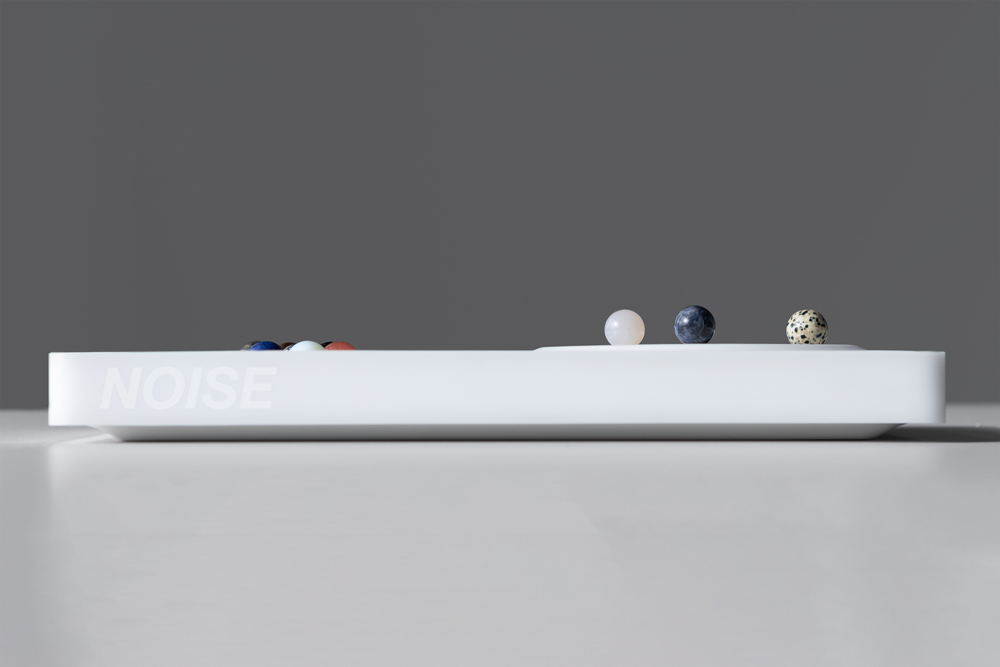
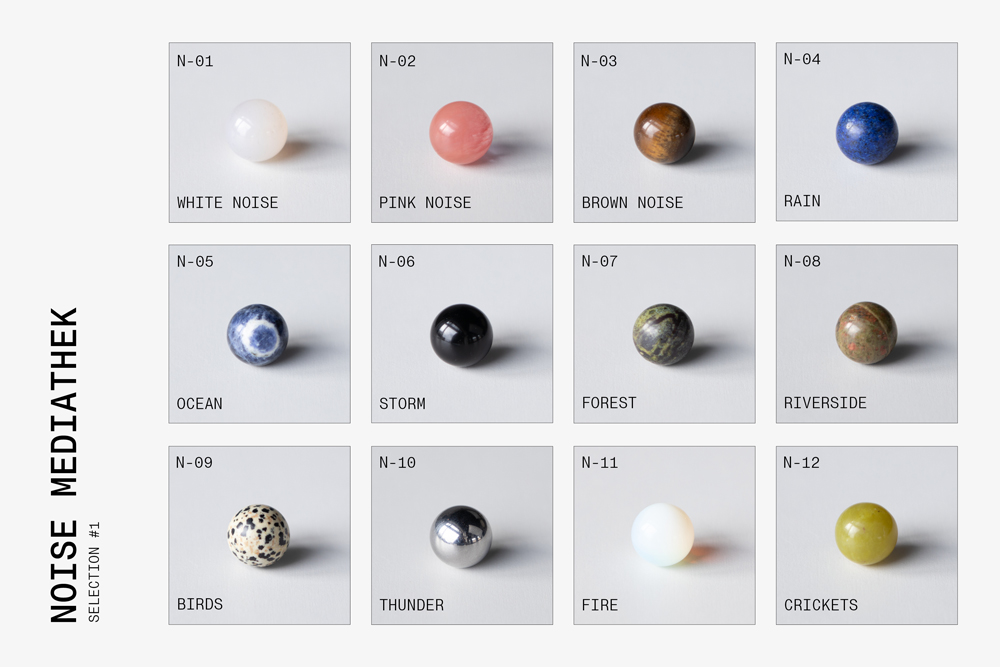
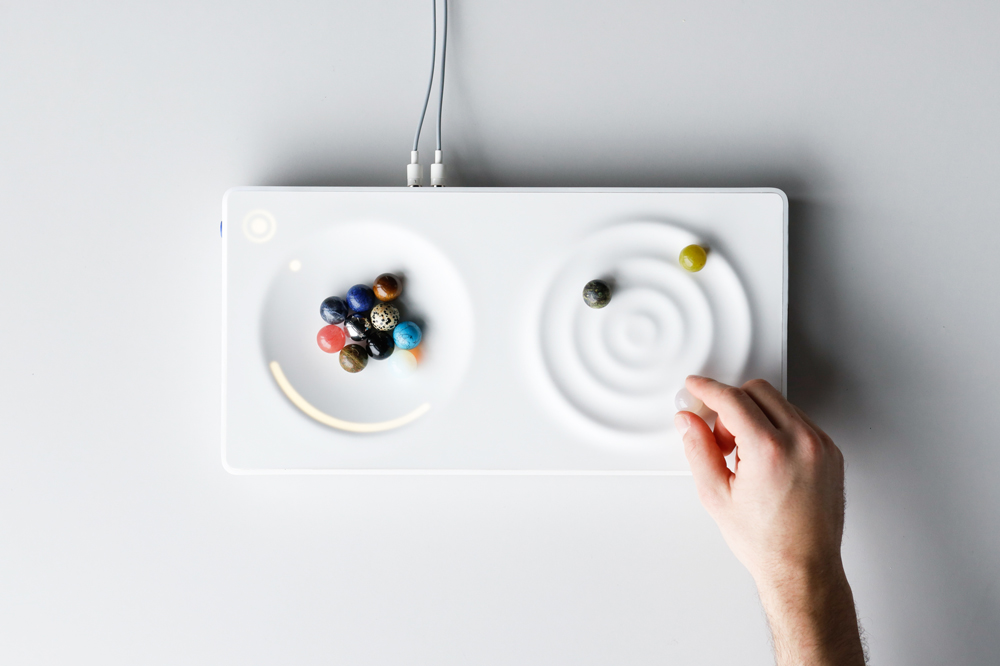
“NOISE” is an ambient synthesiser for interior spaces. Users can create their own soundscapes through a tactile interface. Light, volume and equaliser controls follow the form of the device and are integrated directly into its operation.
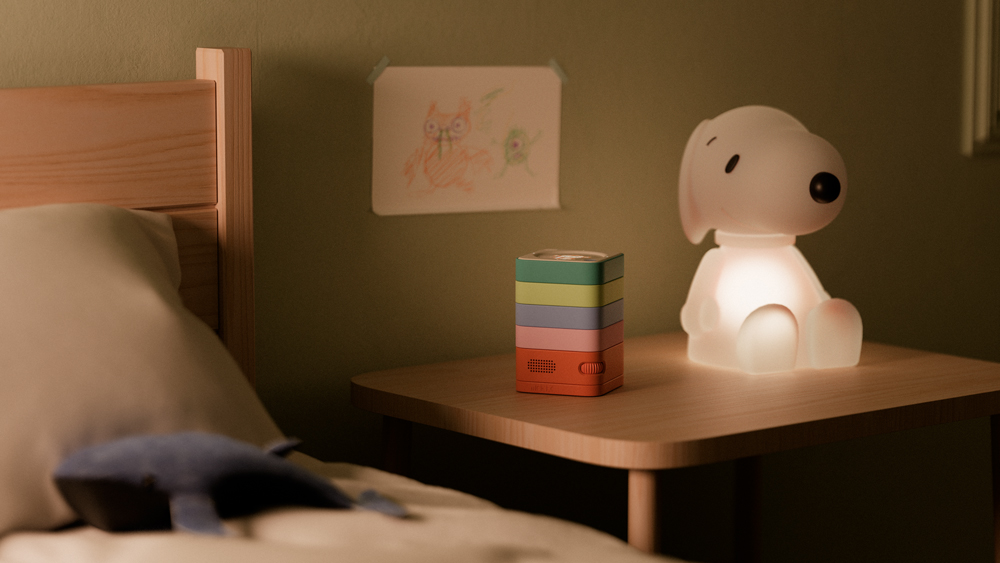
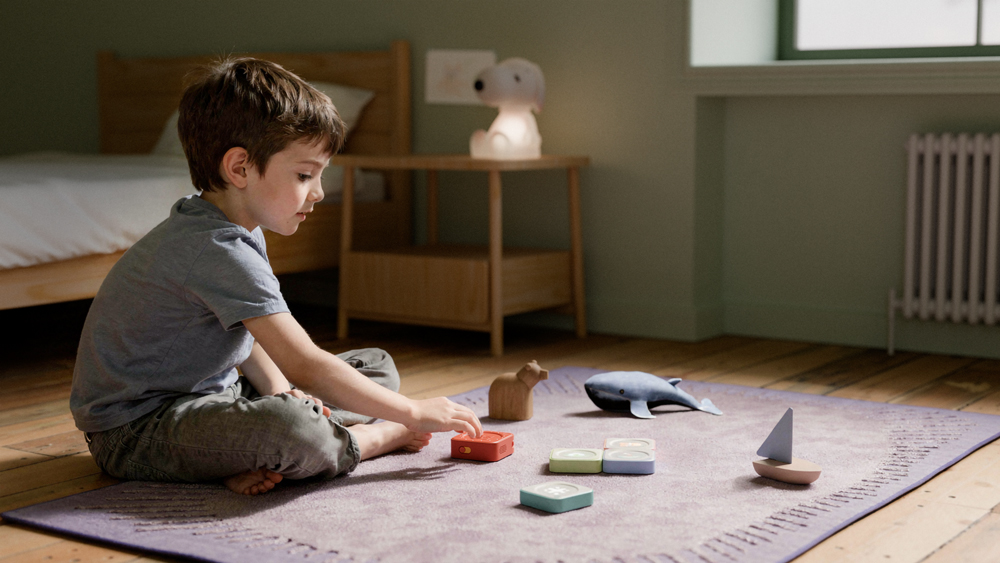
“MOJI”, developed with Clara Häggström Germann, Leon Burg and Pius Burkhardt, is a modular toy for children. It combines voice input with generative technologies, allowing children to create their own stories by speaking, stacking and combining physical elements.
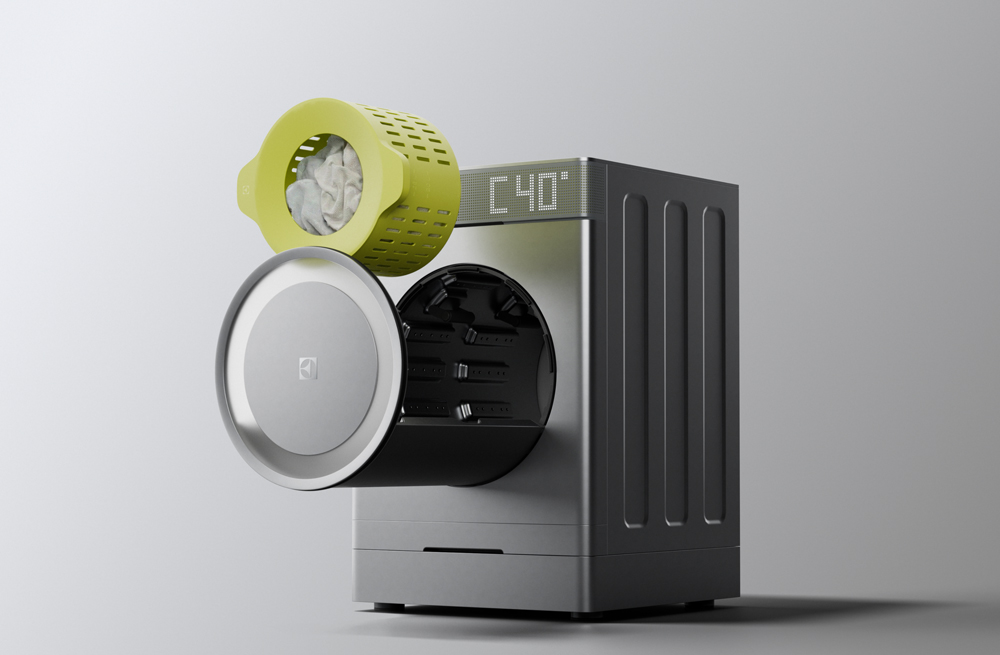
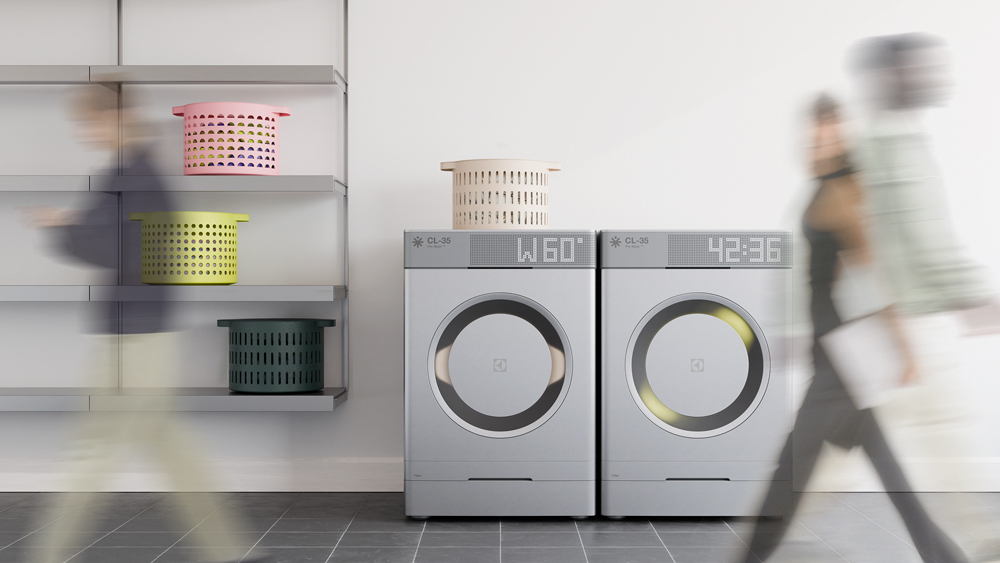
With “CL-35”, Herzau worked with Aryaman Kashyup and Clara Häggström Germann on laundry as a shared system. The concept combines stackable laundry baskets with centrally organised washing processes and a digital platform. After studying Medical Engineering, Herzau studied Industrial Design at HTW Berlin. He is now pursuing an MFA in Advanced Product Design at Umeå Institute of Design.
Your work combines digital technologies with physical objects. Why is physical interaction important to you?
I'm interested in how physical design can make digital technology more accessible and easier to understand. Form and material give it character and invite people to touch it. We internalise many physical interactions and semantic associations during childhood. Marbles, for example, are an archetype of play, and their fascination stays with us from the sandbox into adulthood. That's why I chose them as the central controls for my NOISE project. I want to preserve and develop this intuitive understanding in our digital everyday lives.
How do you decide whether a new technology really adds value to a product?
In general, new technology adds value when it addresses real problems and needs, making users' lives easier or more sustainable. It's important that the problems aren't merely shifted elsewhere. In some cases, the added value can already be demonstrated through clear figures during the research phase. In others, I evaluate it through tests, observations and feedback.
In MOJI, AI develops stories from children's ideas. What should AI take over, and what must remain with the child?
MOJI is intended to stimulate children's imagination and bring it to life in the form of a story. The AI takes on the task of weaving characters, places and creative ideas chosen by the child into a story with a coherent dramatic arc. In each chapter, it gives the child the opportunity to actively influence the plot through decisions, puzzles and new input, allowing them to become the author. Favourite characters are saved so an imaginary world can develop across multiple stories. Creativity and the decisions therefore remain with the child; MOJI simply gives them a voice.
How do you handle the voices and personal stories that children entrust to the product?
Voice input is strictly limited in duration. Children therefore don't tell MOJI entire stories; they name individual characters, places or ideas that serve as building blocks for the narrative. What remains is not the child's voice but a collection of characters, places and actions that can reappear in later stories. This allows a unique imaginary world to grow, with characters the child can form a connection with. The stories created can be saved locally and listened to again during play or at bedtime.
How can children recognise that they are interacting with artificial intelligence?
We can't assume that every child understands what artificial intelligence is. That's why there needs to be an age-appropriate explanation that MOJI generates its stories with the help of AI. In our concept, we've set clear boundaries for the interaction. MOJI doesn't engage in dialogue and doesn't ask the child personal questions. The narrative voice isn't intended to have a personality of its own or form a relationship with the child. This distinguishes MOJI from a human counterpart, but it doesn't in itself explain the technology behind it.
NOISE creates a refuge from disturbing sounds. Can a product solve a problem like this, or do our spaces need to change as well?
Through the deliberate use of acoustic noise, NOISE can help mask disruptive background sounds and thereby support focus and relaxation. But the product doesn't solve the problem of noise pollution in everyday urban life. For that, we need to design our spaces with greater acoustic awareness and reduce sources of noise. NOISE is intended, however, to make us more aware of the soundscape around us and encourage reflection: How do we ourselves contribute to everyday noise? And how would we like to change the spaces we share to enable more considerate coexistence, with greater peace and opportunities to rest?
What does an intelligent product need in order for people to trust it?
To develop trust in a product, people need to be able to understand what it does, why it responds in a particular way and how they can influence it through deliberate actions. With physical products, that starts with an inviting visual language, familiar controls and clear feedback. It also requires reliable behaviour — the same responses to the same actions — and transparency about the system's data and limitations. An intelligent product becomes trustworthy when it provides support without taking away the user's sense of control and autonomy.