Katharina Brackemann
Collective Practice
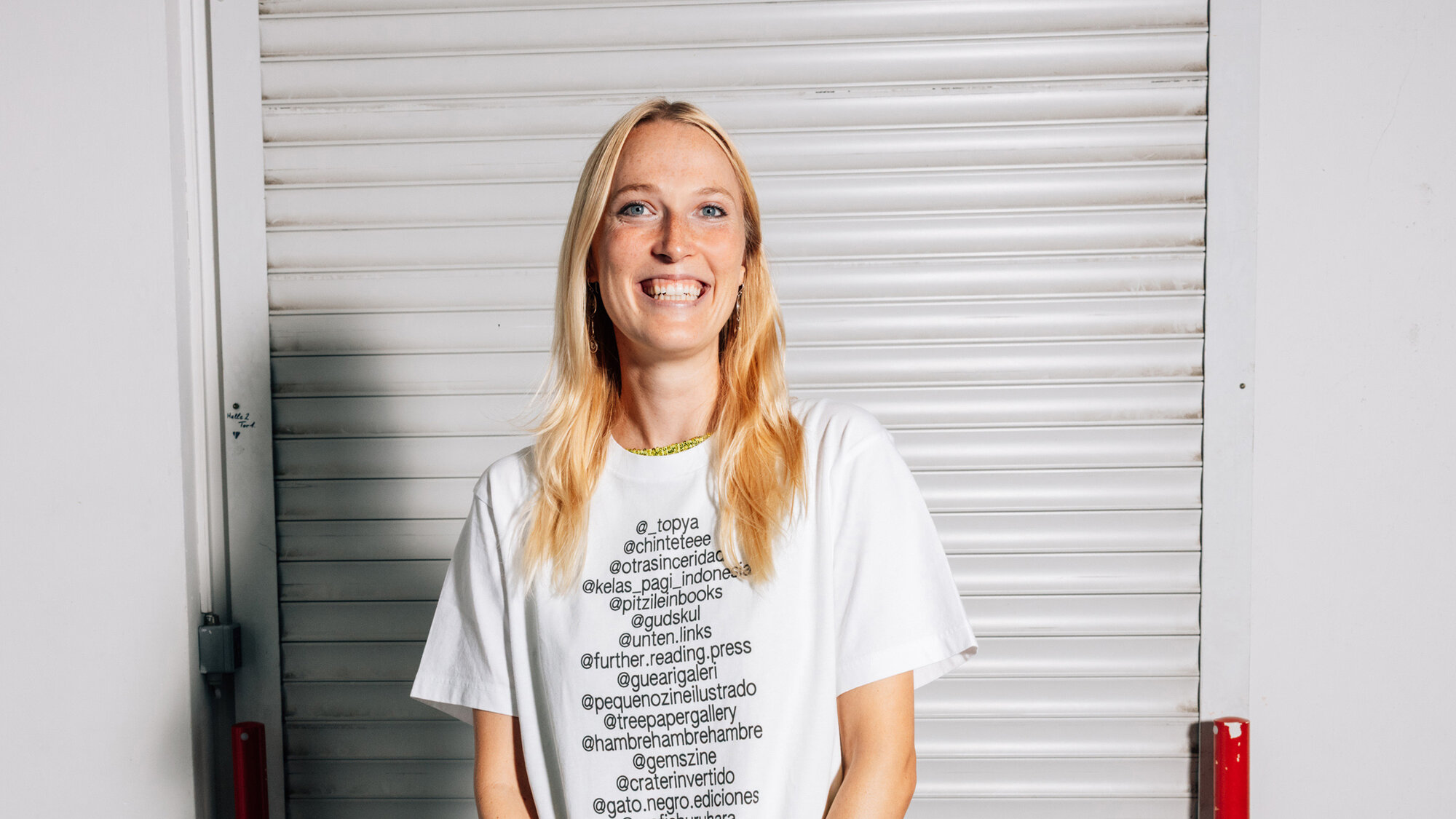
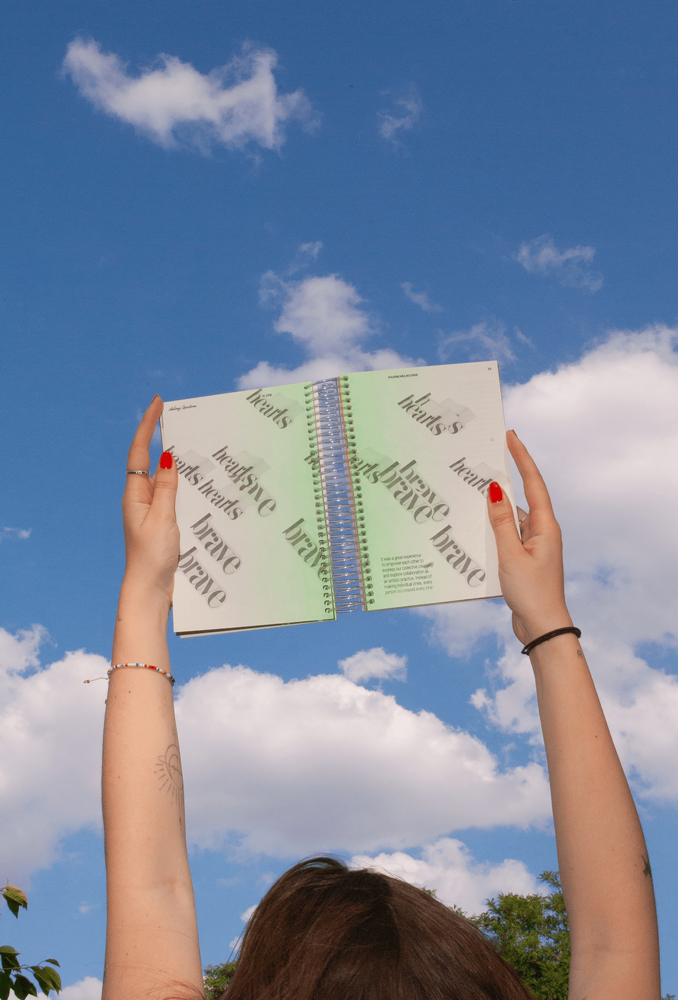
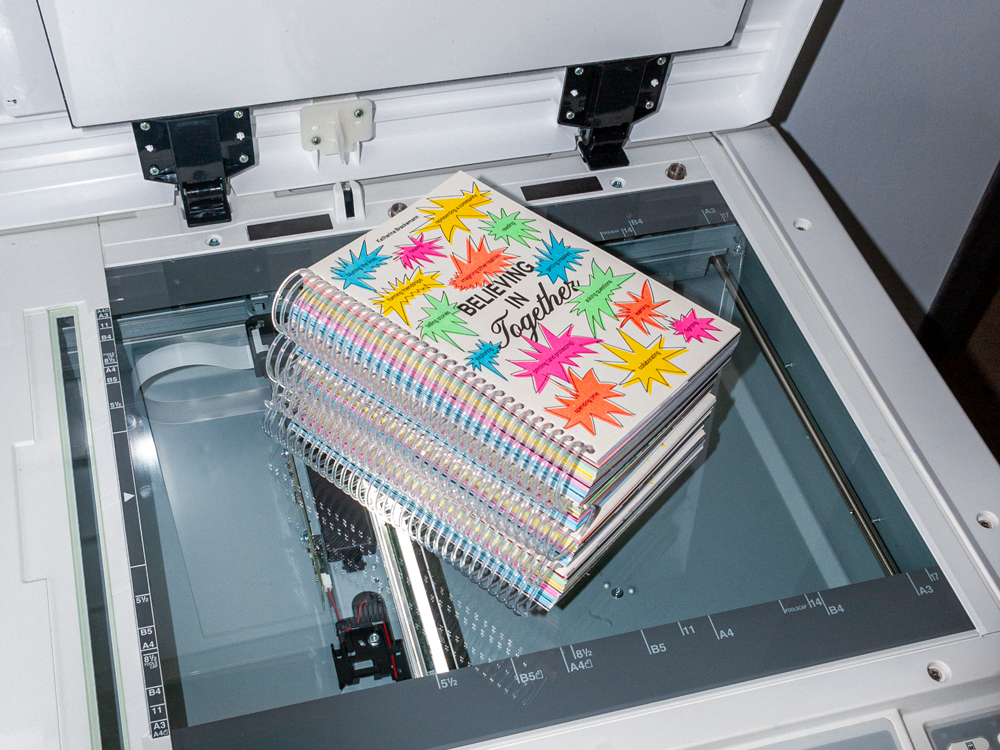
Katharina Brackemann works with collaboration as part of the design process. For her graduation project, Believing in Together, she travelled to Mexico, Chile, Australia and Indonesia to meet creative collectives. The encounters resulted in a publication and short film documenting different approaches to working together.
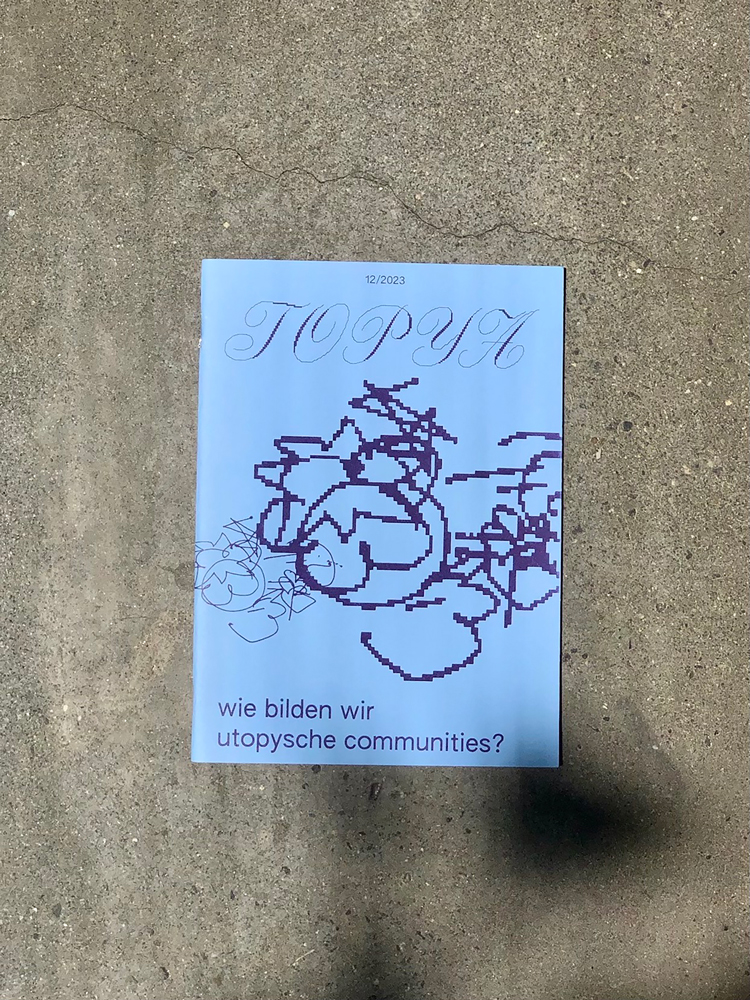
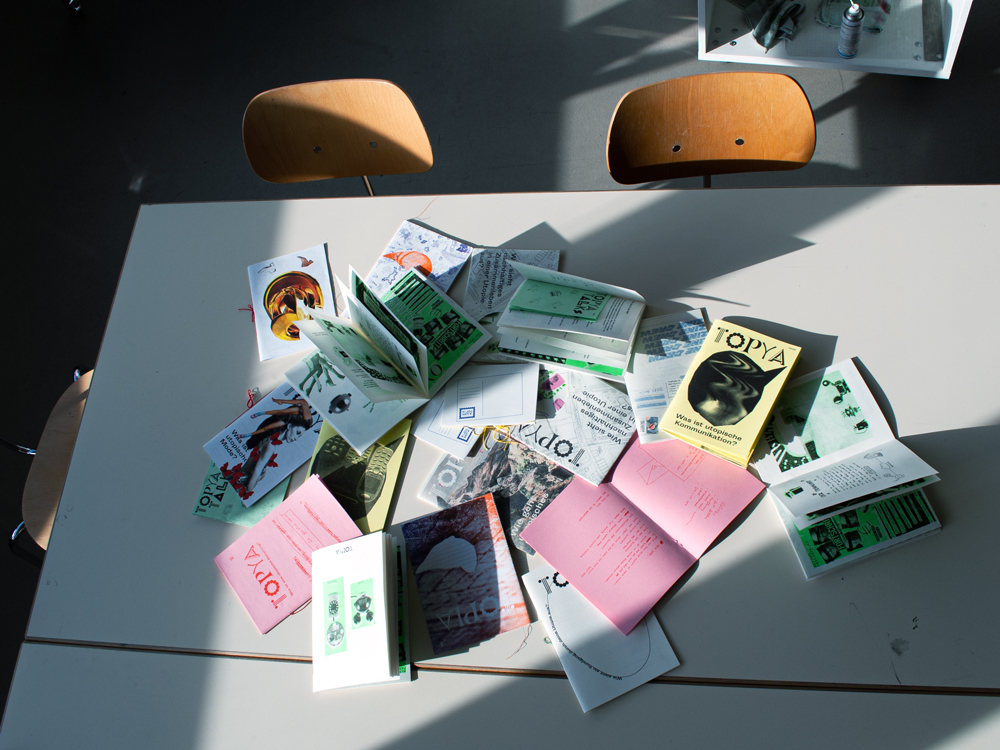
In 2022, Brackemann founded TOPYA, a workshop format in which participants imagine alternative realities and possible futures. The outcomes are documented in formats including zines. Her approach draws on speculative design and feminist approaches to future-making.
After completing her bachelor’s degree in Communication Design at Potsdam University of Applied Sciences, she is now studying Trends & Identity at Zurich University of the Arts. Alongside her own practice, she works across collective and interdisciplinary contexts.
Collaboration is central to your work. Why is a collective more than just a way of working for you?
Collectives show that not only other forms of working (together), but entirely different worlds are possible, too, by challenging conventions and categories. For many of the collectives I met on my travels, there is no separation between work and private life. The studio is a workshop, playground, meeting room and living room all at once. Members are colleagues, friends and sometimes chosen family. What connects them is not only the sharing of resources and spaces, but also of values, desires and struggles.
For Believing in Together, you visited 16 collectives. Which insight changed your own way of working the most?
We don't have to wait for a revolution to change society. We can start living today as though it has already happened! Collectives are much more about the journey than the destination — about curiosity, trust and the courage to take risks. It's about sharing what you have, passing on what you know, learning what you don't yet know and unlearning what you've learned. It's about coming together to listen and talk, about the things we can see and those we cannot. Above all, it's about one thing: believing in togetherness.
How are decisions made in a collective when different opinions collide?
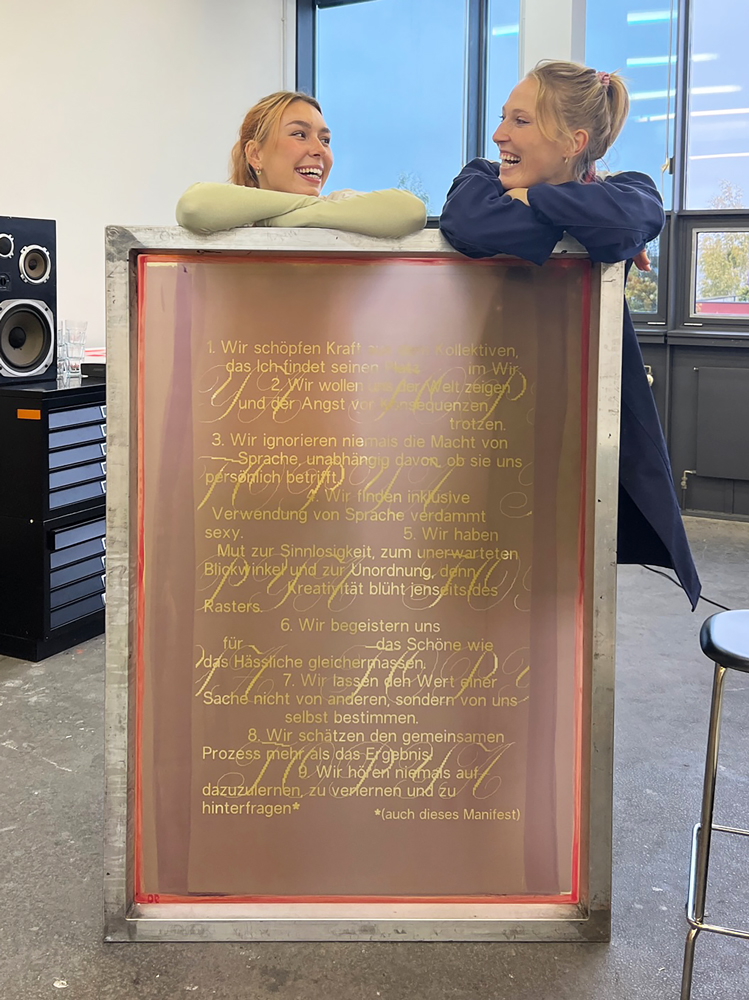
Friction is an essential part of a collective and the very condition of its vitality. Decisions are therefore not made by a figure of authority, but are based on equality and on negotiating different positions with one another. Despite grassroots democratic structures, power dynamics are repeatedly reproduced through personal characteristics such as age, experience or rhetorical skill. Collectives must continually reflect on and dismantle these dynamics. A shared manifesto, or at least a common vision and shared values that a collective can use for guidance, is helpful.
How do you distribute work, money, recognition and responsibility?
As a collective, we are experimenting with a practice of care. Appreciation is not tied to productivity or outcomes; it is directed towards people and the way we relate to one another. Everyone contributes something different: one person more time, another more ideas, more money or a larger network. What someone can contribute is, of course, also shaped by factors such as class, gender, background or health, and can change constantly depending on their stage of life. Making space for open communication and vulnerability is super important.
In open workshops, how do you make sure quieter or less experienced participants are heard?
At TOPYA, it's important to us to create a space where participants realise that nothing bad will happen if they contribute fragile, unfinished or completely absurd ideas. We let go of the idea of “mine” and “yours” and instead marvel at what emerges when ideas build on one another and continue to grow together until they become something none of us could have come up with alone. We make one thing clear: nobody needs expertise in dreaming, and every person's presence contributes to the final outcome!
How can you tell whether a workshop has had an impact beyond the day itself?
Each workshop results in a zine that makes the ideas from the day accessible through texts, sketches and collages and carries them out into the world. We've taken these zines to fairs and exhibitions and have been invited to contribute to other formats. We've received a lot of feedback showing us that the ideas inspire other people, too. Through our workshops and zines, we hope to give as many people as possible “permission” to dream utopian dreams, imagine together, make things with wild abandon and recognise the potential in doing so.
You are being recognised as an individual Newcomer finalist. How would you like to make the collective contributions to your work visible?
I think making the collective contributions to a piece of work visible is very important, and very complicated at the same time. I try to make them transparent to the best of my knowledge and conscience and always name the people involved, but I don't know whether there is one right way to do it. What even counts as a contribution, and whose work remains invisible? How do I acknowledge inspiration and support that have contributed to projects in so many different ways? I would like to see more designers engage with these questions honestly and critically, and exchange ideas about them. The German Design Award could contribute by recognising not individual designers but formats, initiatives and projects, together with everyone involved. Let's get rid of the myth of the lone genius!